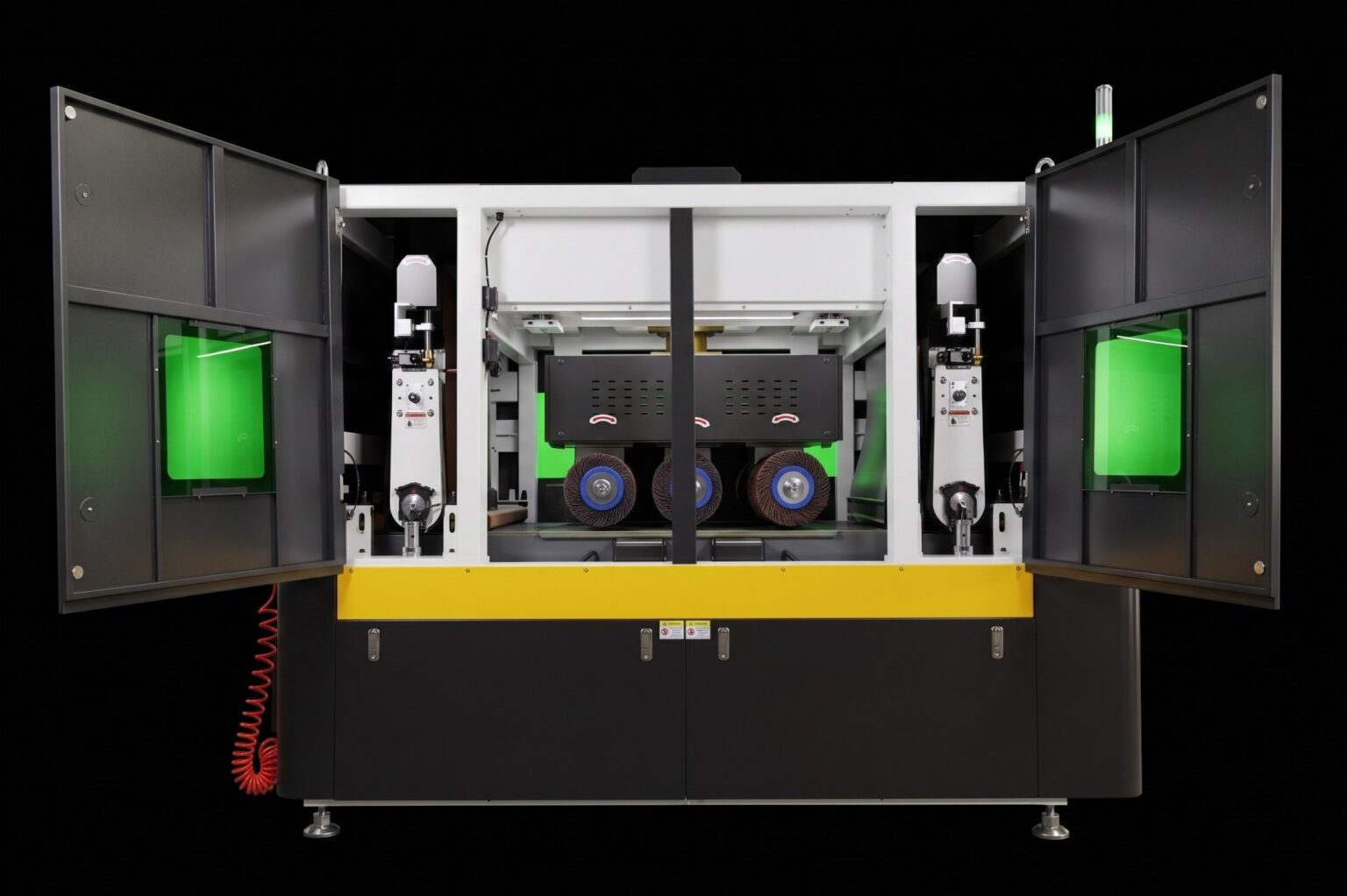
Beginning the detailed evaluation of computerized equipment engineered dedicated to burr elimination represent upgraded processing procedures, delivering considerable upsides across tempo and precision. This guide reviews the multiple types of automatic deburring equipment, incorporating brush-based tumbling devices, linear tools, and advanced intelligent applications. We will cover the strengths of implementing these technologies, comprising lower employee overhead, enhanced output accuracy, and amplified production rates.
Contour Chamfering Devices: Precision Completing Defined
Profile filleting machines offer a refined solution for delivering accurate polishing on objects. As opposed to manual procedures, these digital devices supply dependable outcomes and substantially strengthen production productivity. The apparatuses typically use several polishing tools like diamond rotors, finishing pads, or specialized shapes to clear sharp tips and defects. That kind of process is important in a large array of areas, containing flight and high-tech.- Upgrade exterior grade
- Diminish industrial expenditures
- Expand throughput and efficiency
Impurity Extraction Equipment: Obtaining Pure, Superior Surfaces
Modern smelting practices systematically cause significant amounts of waste, a byproduct that, if present, can severely affect the finish of the production. Fortunately, advanced slag removal machines offer a reliable solution. These focused machines, employing techniques like buffing, are designed to comprehensively eliminate this unwanted material, ensuring a flawless and superior surface. The resulting benefits include lessened rejection rates, augmented aesthetic appeal, and an overall rise in throughput. By utilizing cutting-edge slag removal technology, manufacturers can consistently deliver world-class surfaces and match stringent benchmarks.
Metal Panel Treatment: The Benefits of Deburring Systems
Accomplishing a excellent appearance on sheet metal parts is fundamental for operation, and deburring machines furnish considerable advantages over conventional methods. Reducing burrs expeditiously not only upgrades the visual quality of the part, but also minimizes expected failures during manufacturing and handling. Moreover, precise deburring means increase creation velocities and reduce personnel costs.
Improving Sheet Metal Production with Automatic Deburring
In order to amplify output in sheet metal assembly, explore mechanized deburring technologies. Traditional deburring is frequently drawing-out and prone to irregularities. Employing automated deburring presents substantial advantages, featuring diminished employment costs, heightened component precision, and increased output volumes. This funding can efficiently produce results.Choosing the Optimal Deburring Unit for Your Application
Identifying the leading deburring unit for your specific needs involves a meticulous assessment of several points. First, consider the category of component you're controlling – iron requires different techniques than fiberglass. Subsequently, scrutinize the proportions and outline of the parts needing surface cleaning. At last, consider your workload level; a bulk operation needs a custom type of machine than a low-volume one. Neglecting to address these elements might cause unsatisfactory results and escalated outlays.
Deburring Machine Technology: Directions and Advances
New deburring system process is experiencing rapid evolution, powered by the challenges for greater fineness and capability in workflows tasks. Principal shifts feature the incorporation of computerized frameworks for elastic edge smoothing steps, alongside innovations in surface treatment method. We're also perceiving a expansion in mobile burr eliminating machines built for particular tasks, and innovative systems like magnetic burr trimming are gaining support. The vision indicates towards expanded linkage of edge-removal platforms within the digitized workshop locale.
Elevating Alloy Module Durability with Outline Smoothing
Many fabrication processes for titanium parts introduce sharp edges, which can lead to stress areas and vulnerabilities that weaken overall strength. Border rounding, a simple yet potent formula, offers a straightforward solution. It consists of slightly chamfering the sharp edges of a segment during the production stage. This cuts down stress points, amplifies wear durability, and can prevent splitting. Benefits are further amplified when dealing with complex shapes or parts subjected to substantial load. Considerations include the suitable curve of the chamfer and its impact on joining with other sections.
- Minimizes Stress Spots
- Raises Operational Durability
- Prevents Breaking
Byproduct Removal vs. Deburring : Distinguishing the Differences
Even though many craftsmen use the titles “slag extraction” and Thickness Calibration “deburring” concurrently, they identify distinct methods in metal construction procedures. Bur clearing focuses on cleaning the sharp, often tiny, extrusions created during cutting operations—these are excess substance of ferrous left on the unit. Impurity purging, conversely, addresses this remnant – typically a concoction of unwanted elements – that manifests during processes like welding. Essentially, deburring deals with leftover rims, while slag extraction deals with that offshoot of a varied function. Concluding, robotic deburring and dross removal devices are necessary components of modern metal workshop that secure excellent finished products with cut defects and boosted efficiency.Summarizing the report stresses the essential role of high-tech automated deburring technologies in boosting construction guidelines and driving businesses gain boosted productivity and finish.