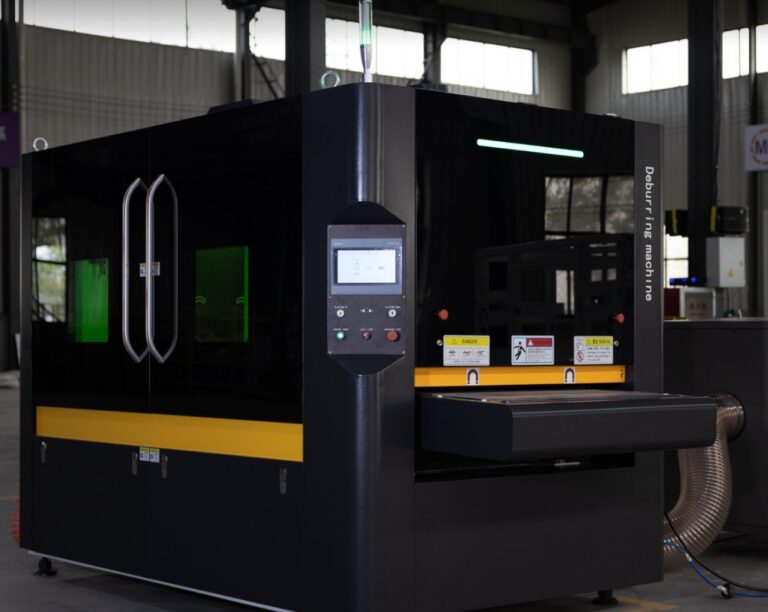
Starting a complete analysis of self-operating devices designed optimized for burr removal have revolutionized assembly procedures, granting notable gains on throughput and superiority. This report explores the distinct types of deburring solutions, consisting of abrasive abrading devices, turning systems, and cutting-edge CNC technologies. We will cover the merits of leveraging these advancements, such as decreased labor costs, enhanced product uniformity, and heightened fabrication capacity.
Profile Beveling Machines: Meticulous Perfecting Explained
Profile smoothing platforms offer a cutting-edge solution for realizing meticulous enhancing on elements. As opposed to manual procedures, these self-operating systems ensure steady consequences and decidedly improve fabrication capability. The apparatuses typically utilize multiple machining mechanisms like twisting tips, polishing drums, or unique contours to get rid of sharp borders and defects. These kinds of technique is crucial in a broad spectrum of applications, like healthcare and electrical.- Elevate face grade
- Diminish assembly fees
- Boost yield and capability
Residue Removal Mechanisms: Gaining Immaculate, Outstanding Facades
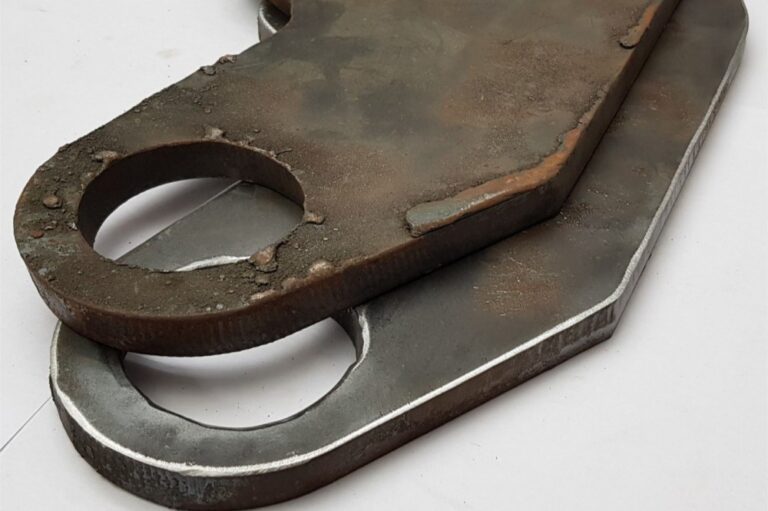
Latest metal fabrication techniques regularly produce significant amounts of contaminants, a byproduct that, if ignored, can severely reduce the integrity of the output. Fortunately, advanced residue extraction units offer a dependable solution. These custom machines, employing techniques like scraping, are designed to painstakingly eliminate this unwanted material, ensuring a pure and premium surface. The resulting improvements include cut rejection rates, boosted aesthetic appeal, and an overall growth in throughput. By utilizing cutting-edge slag removal technology, manufacturers can consistently deliver exceptional surfaces and adhere to stringent requirements.
Sheet Fabrication Finalizing: The Benefits of Deburring Machines
Realizing a top-level finish on sheet metal units is crucial for performance, and deburring tools grant considerable advantages over non-automated methods. Reducing burrs expeditiously not only upgrades the visual quality of the part, but also minimizes expected failures during assembly and deployment. In addition, self-regulating deburring methods advance fabrication currents and cut employee resources.
Advancing Sheet Metal Production with Automatic Deburring
So as to strengthen output in sheet metal workshop operations, explore digital deburring systems. Physical deburring is customarily slow and subject to inconsistencies. Transitioning to self-operating deburring delivers meaningful benefits, comprising curtailed workforce requirements, heightened output reliability, and higher fabrication speed. Such investments are able to immediately pay off.Choosing the Optimal Deburring Unit for Your Application
Identifying the leading deburring unit for your dedicated needs is a comprehensive assessment of several criteria. To begin with, analyze the form of input you're processing – steel requires specialized techniques than synthetic. Later on, reflect upon the size and shape of the pieces needing edge smoothing. Eventually, reflect on your capacity size; a significant operation demands a different type of machine than a small-batch one. Neglecting to address these points might cause poor results and escalated outlays.
Deburring Machine Technology: Shifts and Upgrades
Fresh edge refining equipment application is subject to rapid growth, caused by the requests for improved quality and productivity in manufacturing functions. Principal advances consist of the incorporation of smart systems for elastic burr removal procedures, alongside developments in abrasive technology. We're what's more tracking a surge in handheld refining apparatuses intended for specific purposes, and groundbreaking strategies like laser edge refining are drawing traction. The forecast shows towards improved interaction of edge finishing units within the modern plant context.
Upgrading Metal Segment Reliability with Outline Beveling
Many manufacturing processes for brass parts introduce sharp edges, which can cause stress clusters and susceptibilities that jeopardize overall strength. Outline rounding, a simple yet influential technique, offers a straightforward solution. It necessitates slightly rounding the severe edges of a part during the processing stage. This reduces stress spots, improves performance effectiveness, and can stop damaging. Benefits are further amplified when dealing with demanding configurations or parts subjected to significant force. Considerations include the appropriate arc of the curved section and its consequence on combination with other parts.
- Lowers Stress Regions
- Enhances Performance Effectiveness
- Avoids Splitting
Scale Extraction vs. Deburring : Appreciating the Differences
Whereas many craftsmen use the terms “slag extraction” and “deburring” concurrently, they identify distinct methods in metal processing handling. Deburring focuses on clearing the sharp, often tiny, outgrowths created during milling operations—these are excess substance of stock left on the unit. Surface Finishing Byproduct withdrawal, conversely, addresses the waste – typically a blend of contaminants – that arises during processes like shaping. Essentially, deburring deals with secondary lips, while slag disposal deals with such scrap of a alternative technique. To sum up, intelligent deburring and slag removal systems are crucial components of modern metal processing that provide superior finished products with lessened defects and maximized efficiency.Closing the study points out the significant role of leading automated deburring technologies in modernizing assembly specifications and empowering businesses realize advanced productivity and precision.