Across the expanse of historic epochs,
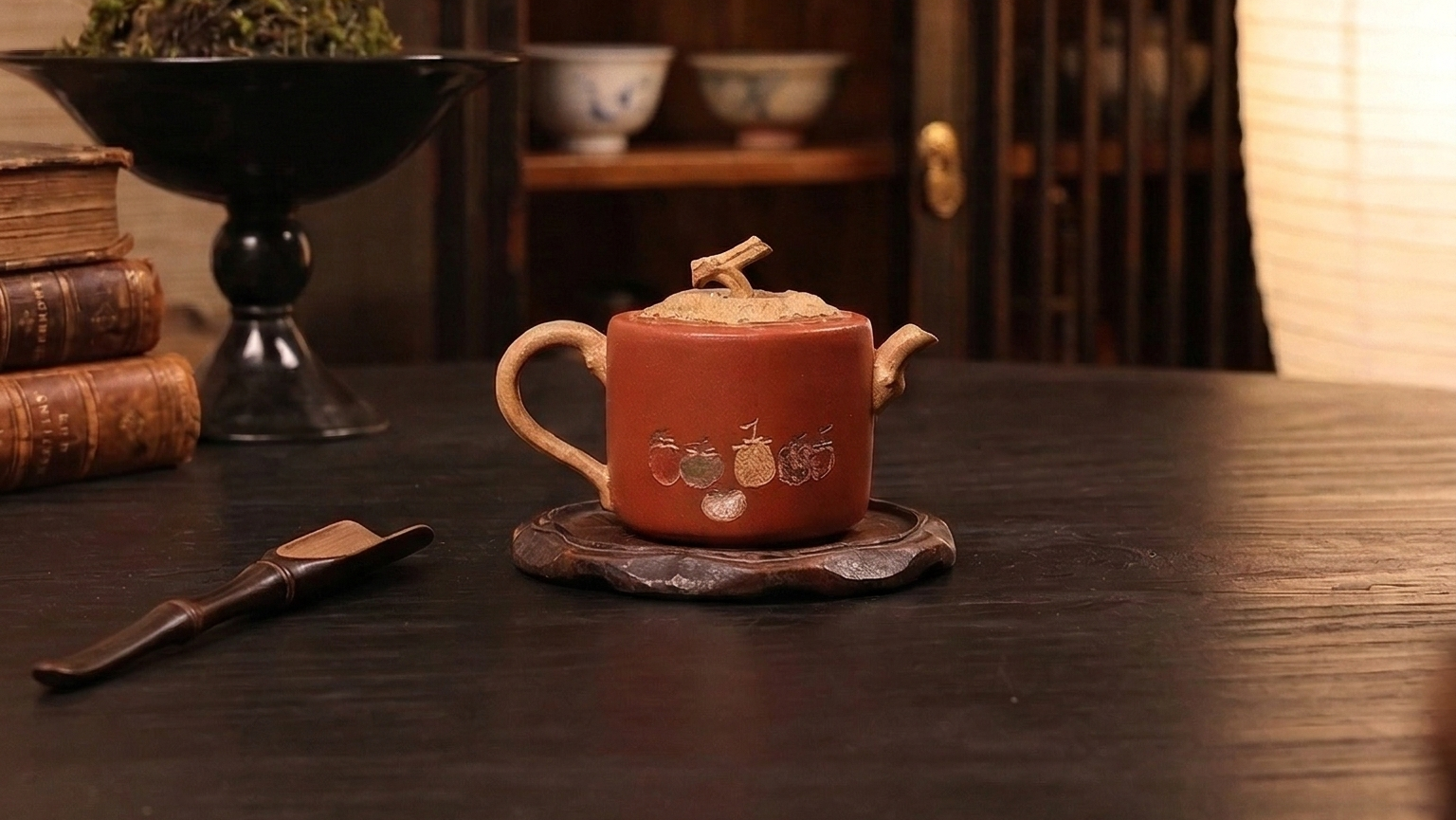
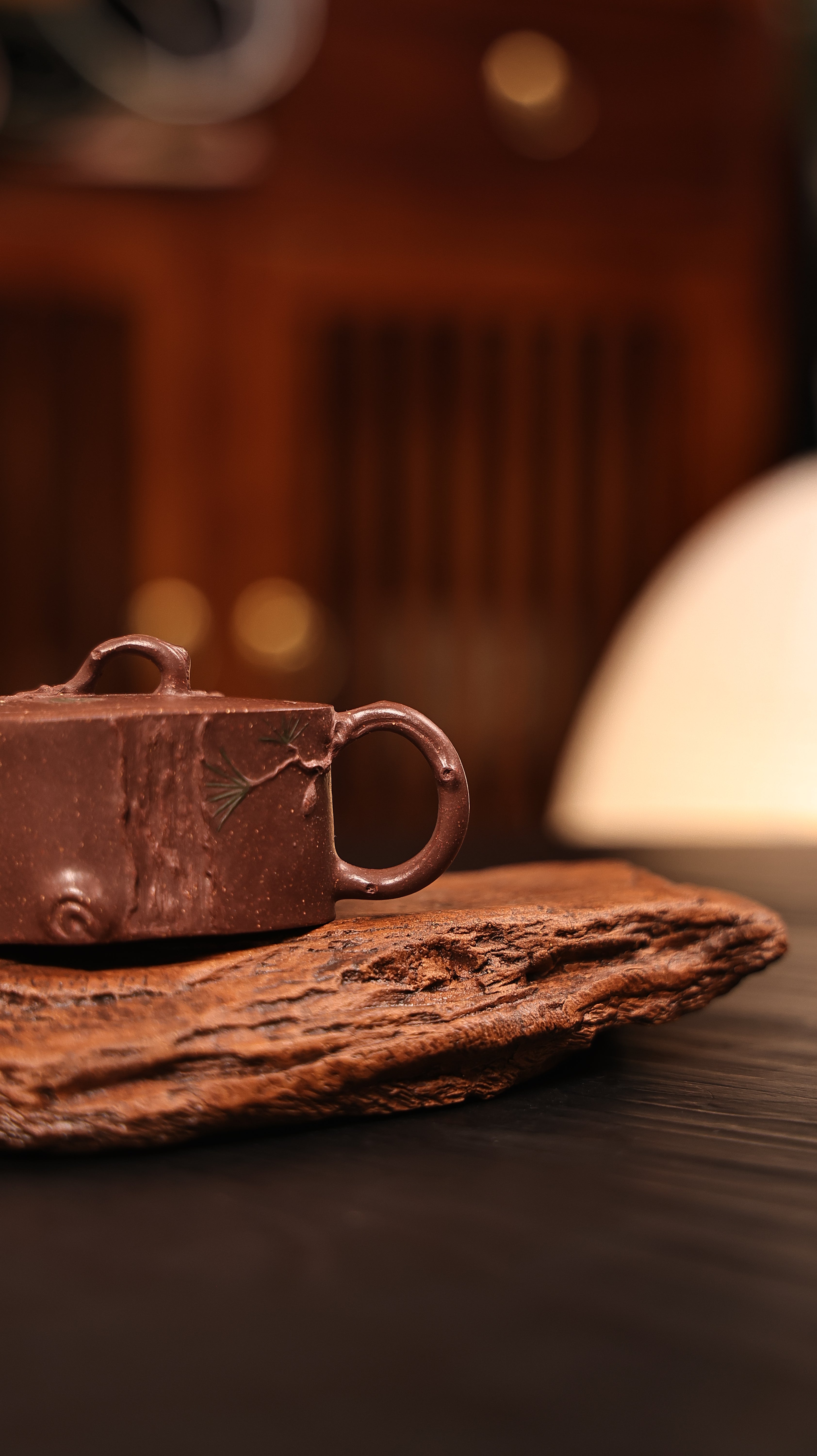
Amidst eras, admirers have been enchanted by the rare charm of Yixing Zisha teapots. Originating from the region of Yixing in the mainland, these pots are renowned for their remarkable beauty, limited clay, and natural ability to augment the savor of the beverage. The substrate's distinctive burgundy hue, combined with the adept creation of territorial creators, creates products that are equally functional crafts and esteemed valuables. Purchasing a Zisha teapot is more than just every purchase; it's accepting a rich heritage heritage.
Exploring Yixing Teapots: Background, Varieties, and Value
This Yixing teapots are a notable chronicle deeply intertwined with Chinese culture. Rooted in the Yixing region of Jiangsu province, these clay vessels contain a heritage going back to the Ming Dynasty. First examples were functional, but throughout centuries, Yixing teapot making evolved into an esteemed art form. The clay itself, known for its unique vitality and ability to raise the flavor of the tea, exists a defining factor. Yixing teapots appear in various styles, broadly categorized by shape: Typical such as Zhuni (purple clay) and Bisheng, as well as exclusive designs. The cost of a Yixing teapot depends on several factors, including the potter’s acclaim, the age of the piece, the rarity Yixing Zisha Teapot of the clay, and its aesthetic beauty.- Heritage: Ancient times
- Substance: Zhuni (purple clay)
- Value Factors: Uniqueness
Zisha Claycraft: Approaches and Crafters
Such creation of a true Zisha teapot is a challenging process, requiring years of competency. Experienced artisans meticulously select the premier Zisha clay, a rare earth found only in specific regions of China. Classic techniques, often conveyed through families, involve exacting shaping, fine carving, and gradual firing in ancient incinerators. The ultimate teapot isn't merely a object; it's a testament to innovative vision and the deep connection between the creator and their legacy. Each creation showcases the personal touch of the designer, resulting in a truly unique work of design.
The Clayware: Discovering the Extensive Traditions of the Yixing Locality
Yixing, placed in Jiangsu Province, is universally renowned for its exceptional containers – a tangible representation of centuries of Chinese culture. These aren't merely vessels for creating tea; they are intricate works of artistry, often reflecting spiritual ideals. Such unique purple clay, known as Zisha, possesses exceptional qualities: the compound dense, diffusive, and imparts a subtle character to the tea.
- Many clans have honed the techniques of Yixing teapot making, passing down preserved methods through epochs.
- Collectors prize these pieces for their elegance and oddity.
- Particular pot tells a legend, connecting the recipient to a rich past.
Engaging in Yixing Zisha: Vital Indicators
When looking into obtaining Yixing Zisha containers, a range of factors warrant careful consideration. Primarily, the component's complexion is significant; authentic Zisha usually exhibits a characteristic rust-colored nuance. Besides, review the production; exacting attributes and a clean surface indicate talented artistry. Lastly, determine the potter's background; esteemed names bring increased premiums and often guarantee a stable appreciation.
How to Brew Premium Tea with Zisha Clay
Creating sumptuous tea with a Zisha jar is more beyond a simple technique; it's an mastery. Zisha clay, known for its unique earthen composition, imparts a subtle character to the made tea that’s often deficient with other utensils. The optimal water warmth is essential; typically, lower than what's used for black tea, to protect the tea's odor and note. Consider attentively the tea class; delicate green teas or aged pu-erhs flourish from the Zisha’s ability to ease their intrinsic edge. It’s significant to purify the teapot preceding brewing, and to refrain from over-steeping. Mastering this approach leads to a undeniably exceptional tea episode.
- Learning Zisha Clay
- Thermal Condition of Water & Tea Type
- Essence of Tempering
Looking After Your Distinctive Clay Pot
In an effort to maintain the lifespan of your adored Yixing container, consistent care is critically essential. Shun using cleaning agents; instead, tenderly flush it with warm aqueous substance. Steer clear of unexpected changes; refrain lay the urn directly onto a scorching surface. Periodically, enhance the teapot by soaking it with high-quality fermented tea, as this supports to develop its essence and protects the singular essentials of the earth.
With respect to Material to Chalice: The Process of a Famous Teapot
This creation of a Zisha teapot is a notable technique, a evidence to both the earth's bounty and the craft of the handworker. It commences with the thorough extraction of the unique clay from the reddish Zisha mines neighboring Yixing. This raw material, known for its extraordinary properties, is then patiently refined and configured for the beginning forming. The vessel’s configuration is precisely fashioned using a union of heritage hand-building approaches, often incorporating elaborate decorations. Following seasoning, the pot undergoes a crucial first firing, joined by a polishing stage, which might involve multiple layers of organic Zisha solutions. Finally, a second, and sometimes third, firing at strong temperatures solidifies the manufacture, revealing its resolved beauty and wonderful characteristics - a authentic masterpiece, prepared to adorn a tea practice.
{Yixing Teapots: A Reflection of a Customary Practice and Appreciation
This Yixing teapots, originating from the celebrated Yixing region of Jiangsu province, are far more than mere pots for brewing potions; they represent a weighty aspect of Chinese identity. Manufactured from distinctive purple clay – zisha – these singular teapots are highly coveted for their ability to boost the flavor of the tea and, crucially, for their loveliness. The record of Yixing teapot making spans centuries, and the talent involved is bequeathed through generations, making each teapot a craftwork that embodies heritage-bound techniques and a profound appreciation for the modest pleasures in life.