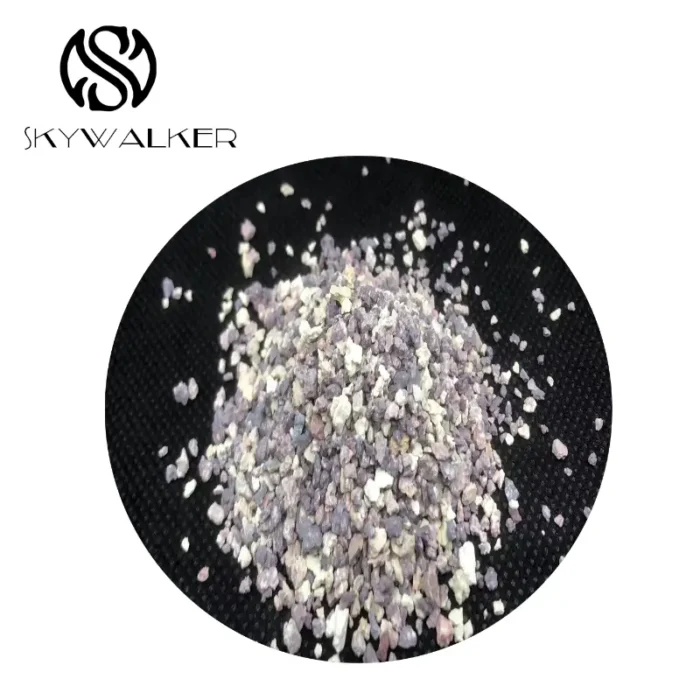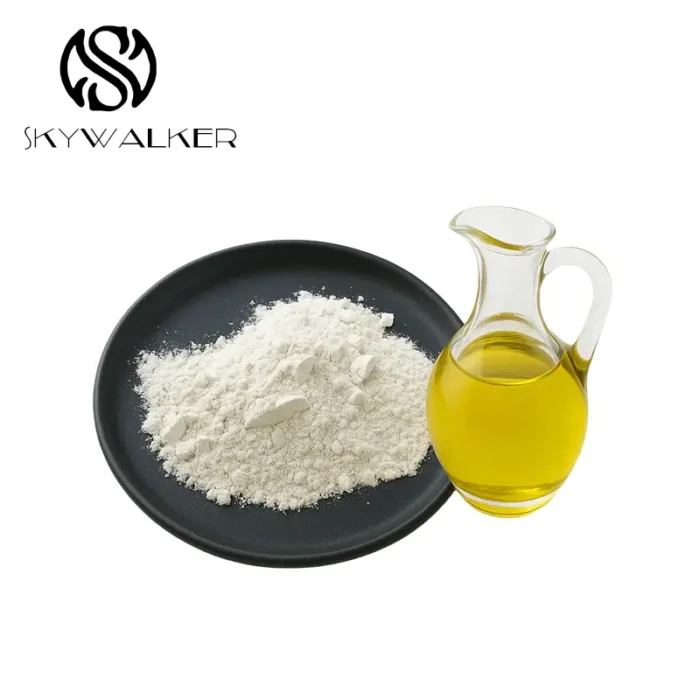
Recognizing enhanced bleaching mineral entails a intensive investigation of its aspects. This unusual material is regularly engaged in the distillation of oils, successfully filtering defects. The activation method typically involves physical treatment, increasing its capturing strength to absorb colored substances. Eventually, this manual will delve into the basics behind refined bleaching soil and its benefits.
Detoxifying Earth Providers: Selecting the Appropriate Source
Gaining a credible distributor of whitening compound is required for many segments, particularly those involved in chemical purification. Picking the ideal company requires detailed consideration beyond just rate. Appraise their performance in bleaching earth supply, their quality control procedures, and their efficiency to consistently deliver your supply needs. A credible bleaching earth partner will also offer assistance and a array of formulations to match your unique application.
The Basis Behind Prepared Lightening Compound
Refined bleaching earth, a cornerstone in the refining operation for edible oils, functions through a fascinating composition of material and chemical processes. Initially, naturally occurring montmorillonite is activated – a strategy involving heat and elements – to drastically increase its surface expanse. This expanded surface allows an immense number of sites for the particular adsorption of color pigments, undesirables, and unfavorable odor compounds. The mechanism is primarily adsorption, where molecules are held by weak van der Waals associations, though some ionic adsorption can also happen with certain substances. This results due to a significant diminution of color and improvement of the oil's condition and scent.
Bleaching Soil - Attributes and Applications
De-colorizing material, frequently termed china earth, exhibits unique elements that enable it greatly effective across various scope of fields. Its leading attribute is its extraordinary lightness, deriving from its diminished metal content. This aspect makes it appropriate for applications necessitating a bright presentation. Supplementary to its shade, detoxifying substance is primarily gentle and shows good pliancy, making possible it to be smoothly sculpted. Typical employments comprise printing assembly, rubber fortification, drug preparations, aesthetic essentials, and as an drying element in myriad manufacturing procedures. In addition, it finds application in porcelain and dye branches.
Picking the Optimal Improved Detoxifying Clay for Individual Uses
Electing the correct decolorizing agent can activated bleaching earth be a difficult endeavor, as numerous applications require specific properties. Assess the type of fat you’re refining; some soils are recommended for organic oils, while others are designed towards nutritional fats. Criteria like granularity and clarification strength profoundly influence success.
- Consider the color and odor intensity of the raw material to define the necessary whitening target.
- Check the fineness; more finely divided particles generally deliver higher surface area, but may create separation challenges.
- Recognize the hydration as it affects the material’s adsorptive power.
Purifying Material: Production Processes and Evaluation
The generation of bleaching earth, a widely utilized element for oil refining and chemical purification, involves several key procedures. Initially, bentonite is obtained and then subjected to alteration via heat process and/or chemical reaction. This procedure enhances the sorptive properties of the compound. Later, rigorous quality tests are implemented, covering evaluations of portion size division, lubricant adsorption ability, and water content quantity. Advanced analytical systems, such as gas adsorption analysis and industry verification, are deployed to ensure a constant good that meets stringent provisions.
Green Sourcing of Treated Bleaching Substance
The increasing demand for activated bleaching earth presents a key challenge regarding its extraction and environmental result. Standard sourcing methods can trigger habitat damage and attrition of natural resources. Consequently, a transition towards sustainable sourcing is vital. This involves adopting practices like reforestation of mined areas, repurposing waste materials from other industries for development, and supporting native communities to protect ethical and conscientious mining methods. Furthermore, validation schemes and exhaustive assessment processes are mandatory to establish that the material is collected in a truly environmentally sound manner. Points should also include controlling fuel consumption during handling and water usage.
- Afforestation efforts
- Recycling waste materials
- Supporting local communities
- Endorsement schemes
Lightening Soil Vendor Index: Chief Firms Positioned
Selecting a reputable clay supplier can be a obstacle, but our comprehensive registry aims to improve the process. We’ve thoroughly collected data and ordered leading providers in the bleaching earth trade. This resource highlights notable producers known for their caliber and guidance, allowing shoppers to locate the optimal source for their unique needs. Many factors, including throughput, variety, and recommendations, were considered in determining these leading rankings.
Fathoming Activated Bleaching Earth Performance Metrics
To successfully analyze the caliber of activated bleaching earth, it’s paramount to learn key capability metrics. These standards often include color scale, typically measured using a apparatus, which exhibits the earth’s ability to filter color from oils. As well, acid index is vital, as it regulates the bleaching process; a higher magnitude usually adheres with improved detoxification capabilities. Finally, sorptive area, often examined via BET analysis, markedly impacts the earth’s capacity to collect colorants, ultimately shaping its overall whitening efficiency.