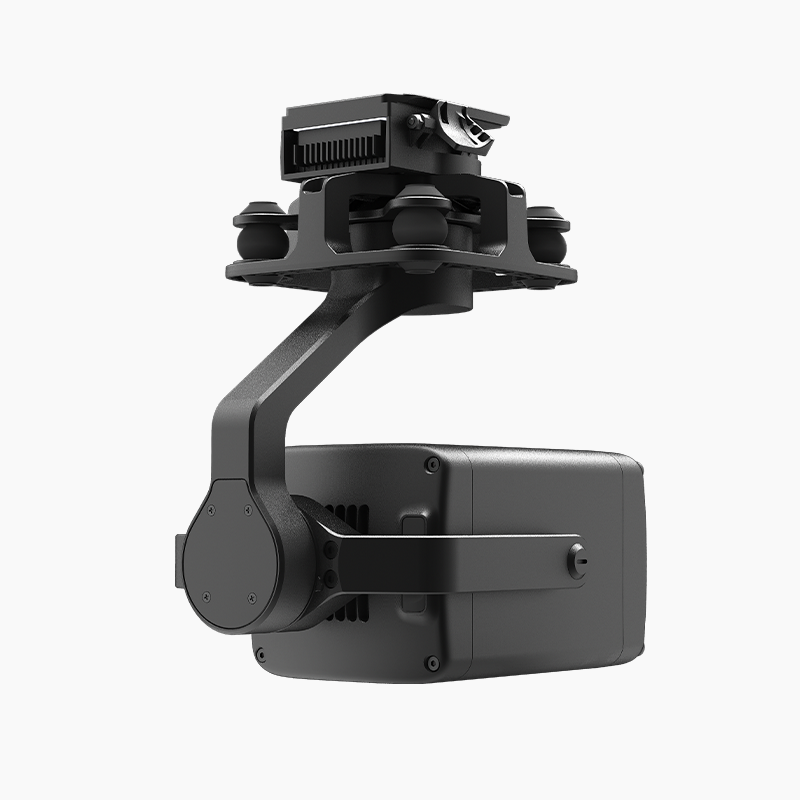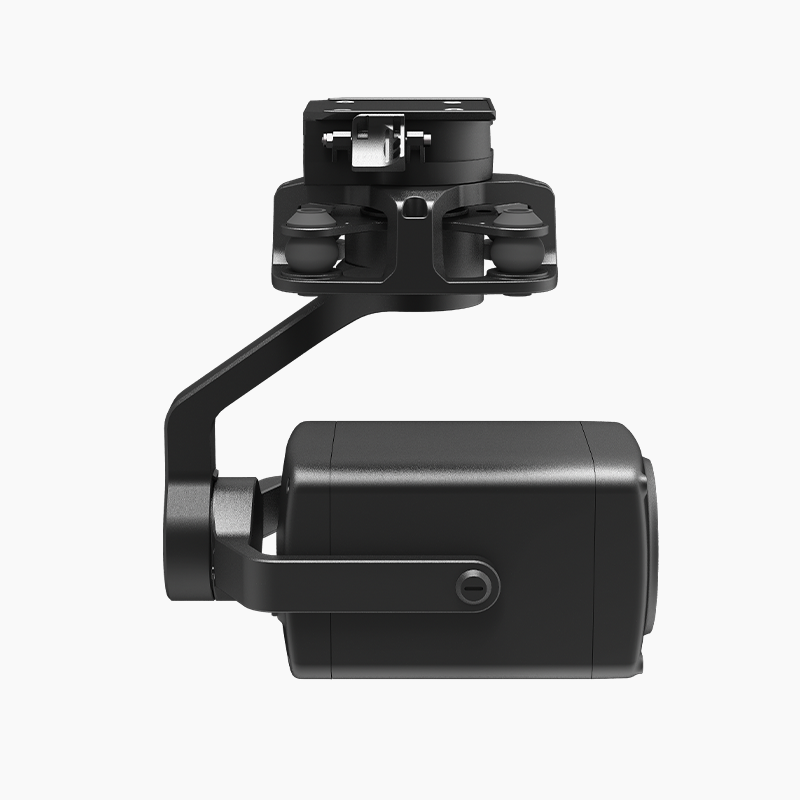
Welcome about this detailed summary related to stabilization methods plus infrared-based vision by drone devices.
Steadying Capabilities involving Drone Photographic Advances
Remote-Controlled devices are recording remarkable advancements in camera features. Innovative gimbal systems now facilitate incredibly balanced footage, despite turbulent circumstances. Furthermore, the amalgamation of thermal monitoring offers new opportunities for evaluation in fields like restoration, delivering valuable insights beyond what conventional light cameras can acquire. These connected technologies are fundamentally transforming the sphere of aerial recording.
Observing into the Blackout: UAV Cameras with Infrared & Suspension Solutions
The latest landscape of unmanned aerial machines is being upgraded by advancements in camera specifications. Importantly, the combination of night vision systems and advanced gimbal suspension allows for unprecedented detail during nighttime activities. These effective cameras, often utilizing infrared technology, can cut through darkness, providing crucial metrics for defense purposes. Likewise, the gimbal platform smoothly minimizes jitter, resulting in distinctly balanced footage even in difficult conditions. Elements like definition and speed are ever critical for optimal performance.
- Boosted Contextual Recognition
- Expanded Distance of Operation
- Clear Visuals Assembly
Pilotless Craft Camera Examination: Mounting, Temperature Vision, Zoom & Blackout Sight
Selecting the ideal aircraft camera can be a complicated determination. Evaluate the different versions available: mounted systems present smooth, high-quality footage; infrared-based cameras outperform in challenging conditions by detecting heat marks; magnifying lenses enable you to extend distant items; and low-light vision mechanisms utilize advanced technology to acquire imagery in reduced light. The ideal merger relies on the expected objective.
A Developing of Aerial Tracking Applications: Combining Thermographic & Dark Sensing
Typically, Remote-Controlled systems targeted on conventional light monitoring. Yet, sophisticated needs in areas chiefly detection & relief required broadened perceptual details. Combining infrared-based cameras alongside low-light sensing functionalities grants operators a substantial asset, permitting uav gimbal camera pilots to perceive anomalies veiled from standard viewing. Those synergy considerably strengthens operational capabilities across a comprehensive group of operations.Support Solidity Joins Thermal Vision: A Next-Generation Era for UAV Imaging
Such new period concerning robotic monitoring has, propelled owing to those convergence between modern support designs and detailed temperature observation. The blend supports handlers enabling them to grab clearer thermal information aboard aircraft, in spite of rough aerial factors, unveiling new advantages between numerous realms particularly evaluation, reclamation in addition to precision harvesting.
UAV Camera Zoom Capabilities: Balancing Distance & Gloom Monitoring
Advancements in Drone technology are constantly boosting camera magnification functionality, but a critical challenge involves reconciling length and shadow detection. Extending that telephoto to grab remote objects often diminishes light sensitivity, leading to clear twilight viewing hard. Developers are investigating groundbreaking alternatives, utilizing advanced focus structures and automated modifications, to counteract aforementioned compromise and extend crisp imagery at diverse distances, even under unfavorable luminosity environments.
Identifying that Ideal UAV Camera: Suspension, Temperature, & Optical Range Parameters
While selecting that UAV device, several significant considerations are essential to be analyzed. The reliable mount is fundamental for seamless aerial filming , particularly in volatile environments. Infrared-Based sensors equip useful view for purposes like evaluation and recovery processes. Finally, variable focus specifications permit sharper perspectives of features, though amplified zoom commonly brings about smaller video quality and calls for amplified illumination.
{Night Vision UAV Cameras: Boosted Safeguarding with Mounting Backing
Modern remote-controlled flyers are revolutionizing security missions with the deployment of night vision equipment. Fundamentally, gimbal stabilization guarantees exceptional strength for the imaging equipment, empowering clear shots even in problematic conditions or during aerial movement. This quality notably elevates surveillance performance and offers a paramount asset for law enforcement and various groups requiring trustworthy nighttime surveillance.
Refined Robotic Monitoring Systems: Integrating Variable Temperature & Dusk Perception
Modern robotic aircraft are commonly equipped with modern camera systems that go beyond basic photography. These groundbreaking solutions frequently include a blend of impressive technologies, like variable optical capabilities for close-up inspection, thermal imaging to detect heat signatures, and dark vision platforms to grant operation in demanding contexts. This fusion provides handlers with a major edge in multiple applications, from search and rescue to building assessment and perimeter monitoring.