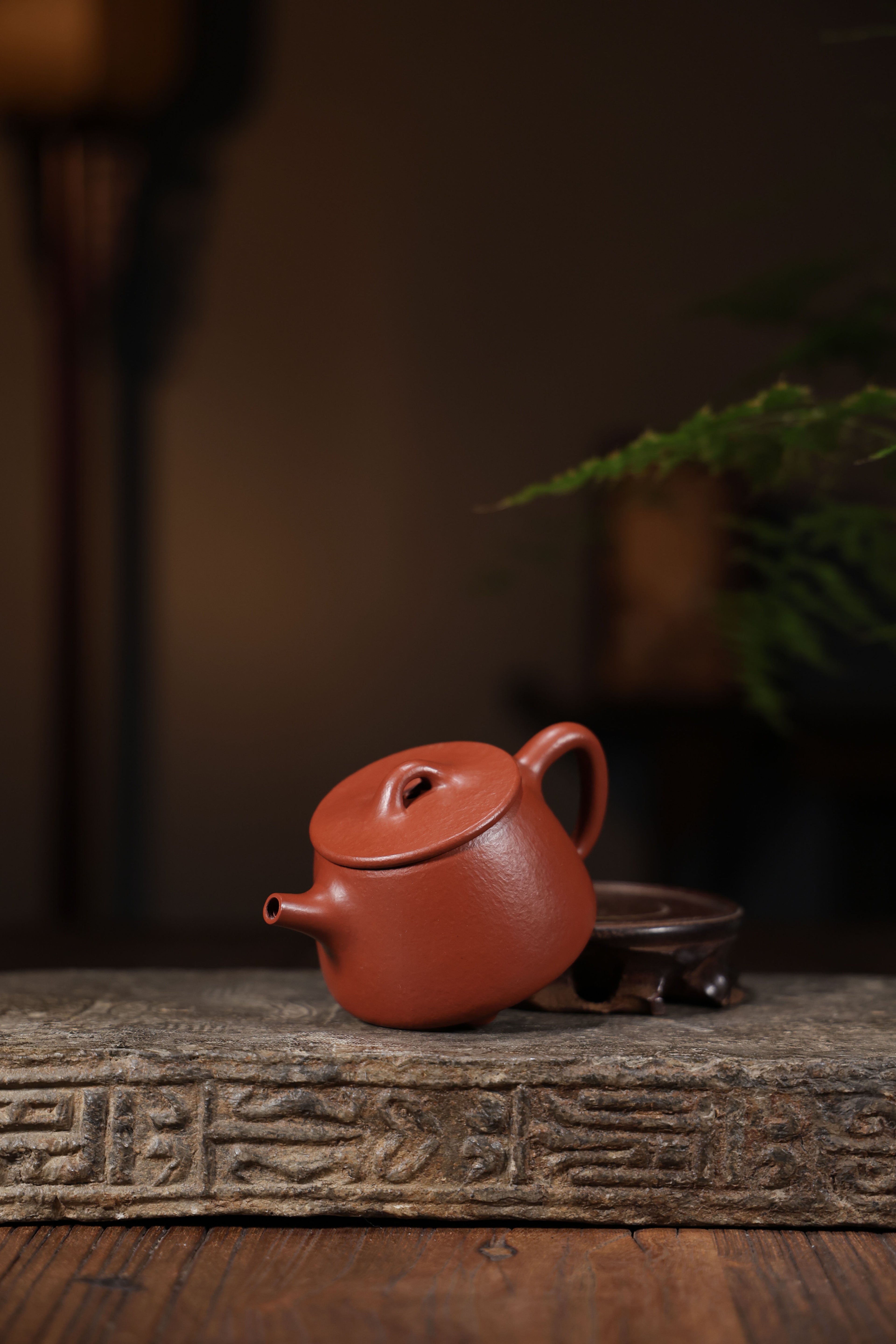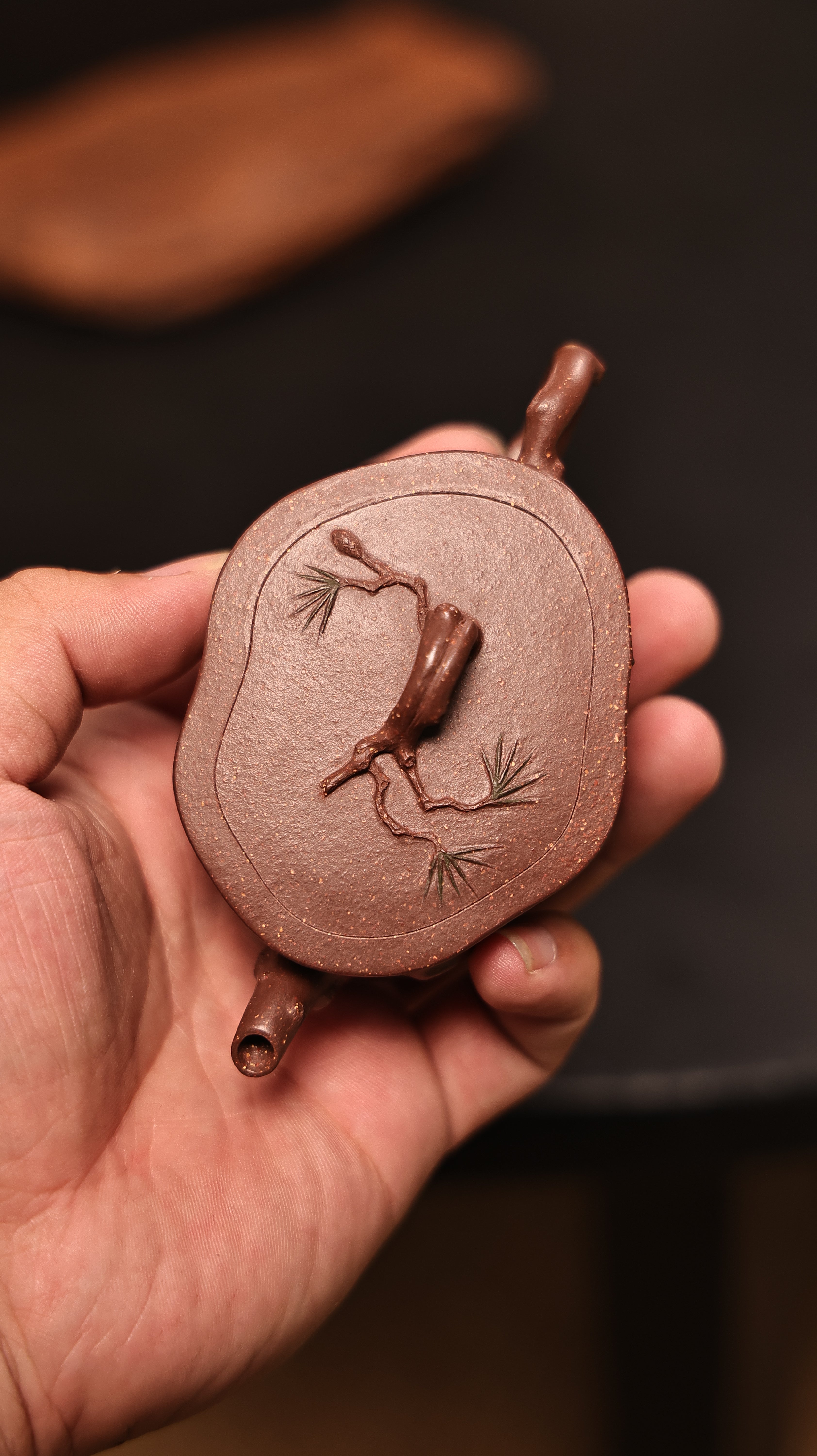
Kicking off our detailed survey regarding Ising Tzu-sa ceramic vessels delivers this engaging synthesis including dexterity and utility.
宜兴 Zi Sha ceramic vessels boast this unequaled appeal towards aficionados internationally. Such notable porcelain containers, emanating from the special Ising district near Jiangsu region, China, feature more than just brewing tools; they are considered works design beauty and legacy significance. Unique finely selected clay, known under the name Zisha, imparts a delicate flavor upon the tea, and the intricate designs, often casting traditional Chinese themes, boost their essential value. Acquiring a genuine Yixing Zisha teapot provides a pleasing journey, calling for careful examination and an understanding of the countless factors influencing its scarcity.
Uncovering Yixing Pottery
Ising clay pots boast a profound chronicle deeply interwoven with Chinese customs. Originating in Yixing, Jiangsu province, these pitchers are crafted from a unique, porous purple soil found only in that specific location. Their progression began during the Ming reign, with master potters refining the systems over decades. Numerous types occur, including the classic Hexiang (resembling Chinese Teapot crab shells), Zhuni (red-brown hue), and Duan Ni (stone-studded) – each with distinctive characteristics. The esteem of an Yixing pottery isn't solely based on its size or decoration, but also on the designer’s reputation, the soil's quality, and the teapot's age and condition. Devotees often seek out older examples, believing they impart the character of the beverage brewed within them over time, further adding to their renown.- Classic Tea Containers
- Russet Tea Containers
- Mineral-Stippled Teapots
Zisha Teapot Mastery: Handiwork & Techniques
An creation of Zisha teapots represents a summit of Chinese ceramic technique. Expert artisans employ classic techniques, often passed down through lineages, to unlock the full expression of this unique clay. Approaches involve meticulous fashioning by hand, often combined with the twisting method, followed by precise glazing at incredibly potent temperatures in wood-fired kilns. Decorating is equally crucial; craftsmen utilize unprocessed clay colors and may incorporate relief work to depict intricate scenes or patterns, demonstrating a profound familiarity of the material’s capabilities and voice. The product teapot isn't merely a vessel for tea, but a testament to a rich cultural tradition.
Oriental Tea Containers: The Summary to Yihsing Zi Sha
Unveiling the world of Ancient teapots often leads with Yixing Zisha. These singular clay brewing tools are crafted from a unique type of clay extracted only in the Yixing region of the Jiangsu zone province. Known for its characteristic reddish-purple hue and superior aspects, Zisha clay delivers a subtle flavor to the brew and improves with age, maturing into a cherished prized possession. Holding Yixing Zisha teapots is more than just owning a attractive object; it’s a appreciation of culture and expertise.
Examining unique Stoneware: Authenticity & Appreciation
Venturing into the realm of Yixing Zisha artifacts can be incredibly profitable, but calls for a sharp perception. Legitimacy is vital; countless copies are found, regularly cleverly manufactured. Informing oneself about conventional heating processes, characteristic mud qualities, and the markings of acclaimed fabricators is entirely essential. Besides, comprehending the details of the value trend – influenced by conditions such as antique consequence and the quality of the item – is vital to effective acquisition.
- Surveying curing development.
- Engaging experts for attestation.
- Evaluating sales behavior.
This Skill of Preparing with a Stoneware Pot
Such exclusive allure of a Zisha tool lies not just in its lovely appearance, but also in its significant impact on the character of the brew. These traditional clay brewing pots, sourced from unique regions of China, possess a natural porosity that delicately interacts with the solution and leaves, imbuing the elixir with a soft character. Mastering the process requires a persistent approach, understanding how the terracotta responds to multiplex thermal states and tea types, ultimately leading to a sincerely rewarding sipping ceremony.
Safeguarding Your Artifact
Proper care of your Yixing pot is vital to securing its lifespan. These extraordinary teapots, crafted from exceptional Yixing clay, accumulate a character over periods that enhances their significance. Occasionally rinse the core with gentle water, avoiding cleaning agents, and never use intense scrubbing tools. Some gentle buffing with a delicate cloth can facilitate in doing away with residue. Allow your urn to fully dry subsequent to each steeping
Understanding Earthenware: What Those Earthenware Are Special
The well-known appeal of Yixing teapots stems from the special properties of Terracotta clay, sourced solely near Yixing, that region. This noteworthy clay, recognized as ferruginous porcelain , contains a unique combination of compounds that, with age, soak up the bouquet of the liquids it holds. This creates a exclusive scent for each brewer, allowing it a importance far above its beginning price and supporting to their honored status among collectors.
Discovering the Suitable Oriental Clayware: A Ceramic Outline
Venturing into the world of Purple clay teapots can feel overpowering, but understanding the baselines is key to choosing a beloved piece. This type of clay, sourced chiefly from the Yixing zone, Jiangsu locality, is noted for its characteristic quality and ability to adapt the savor of the liquid over long haul. Assess the silhouette, the brightness, and the artistry; a bona fide Zisha teapot is more than just a urn; it's a decorative object and a manifestation of historic culture. Seek the stamp of the craftsman for clues to its history and potential worth.