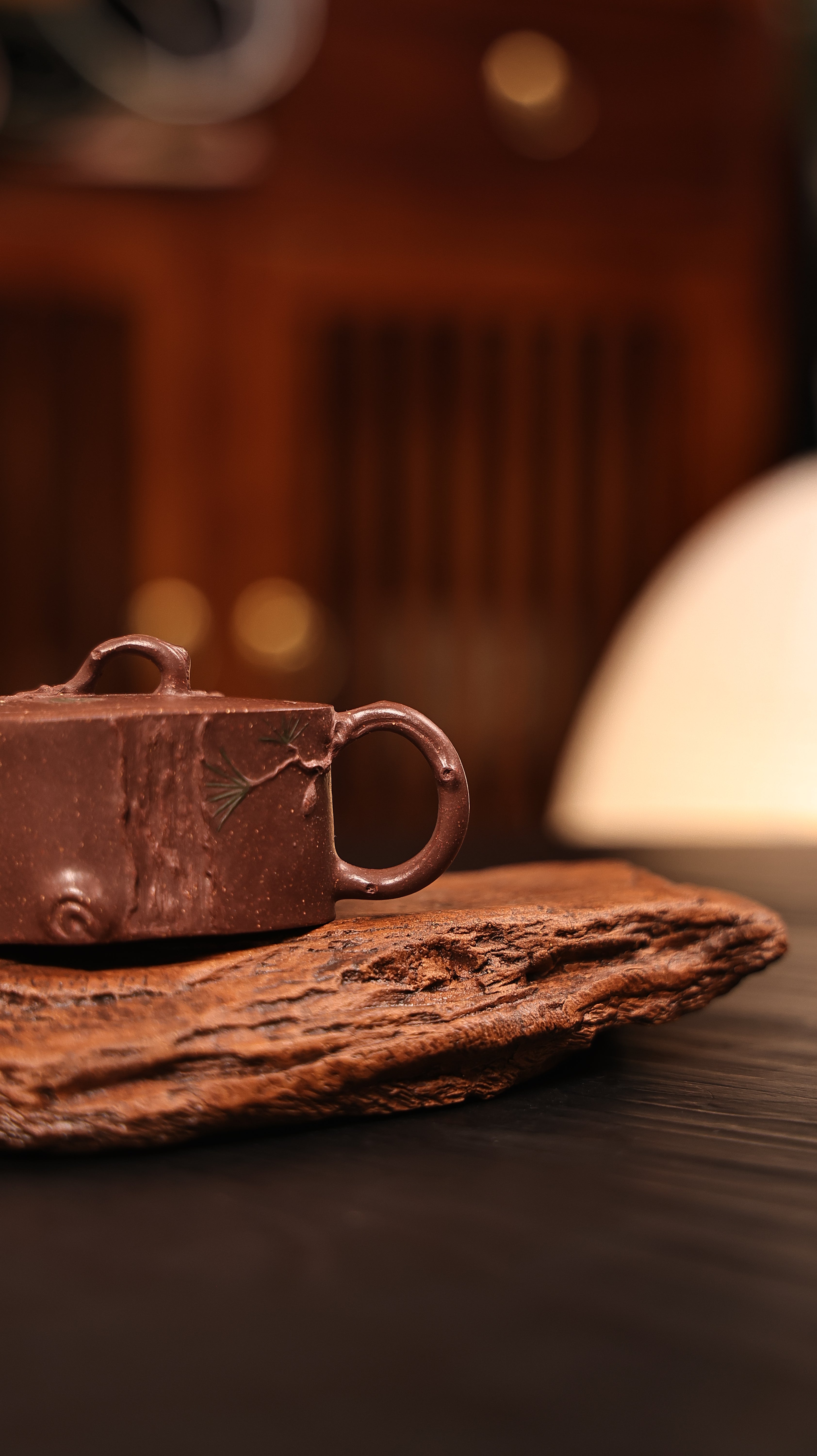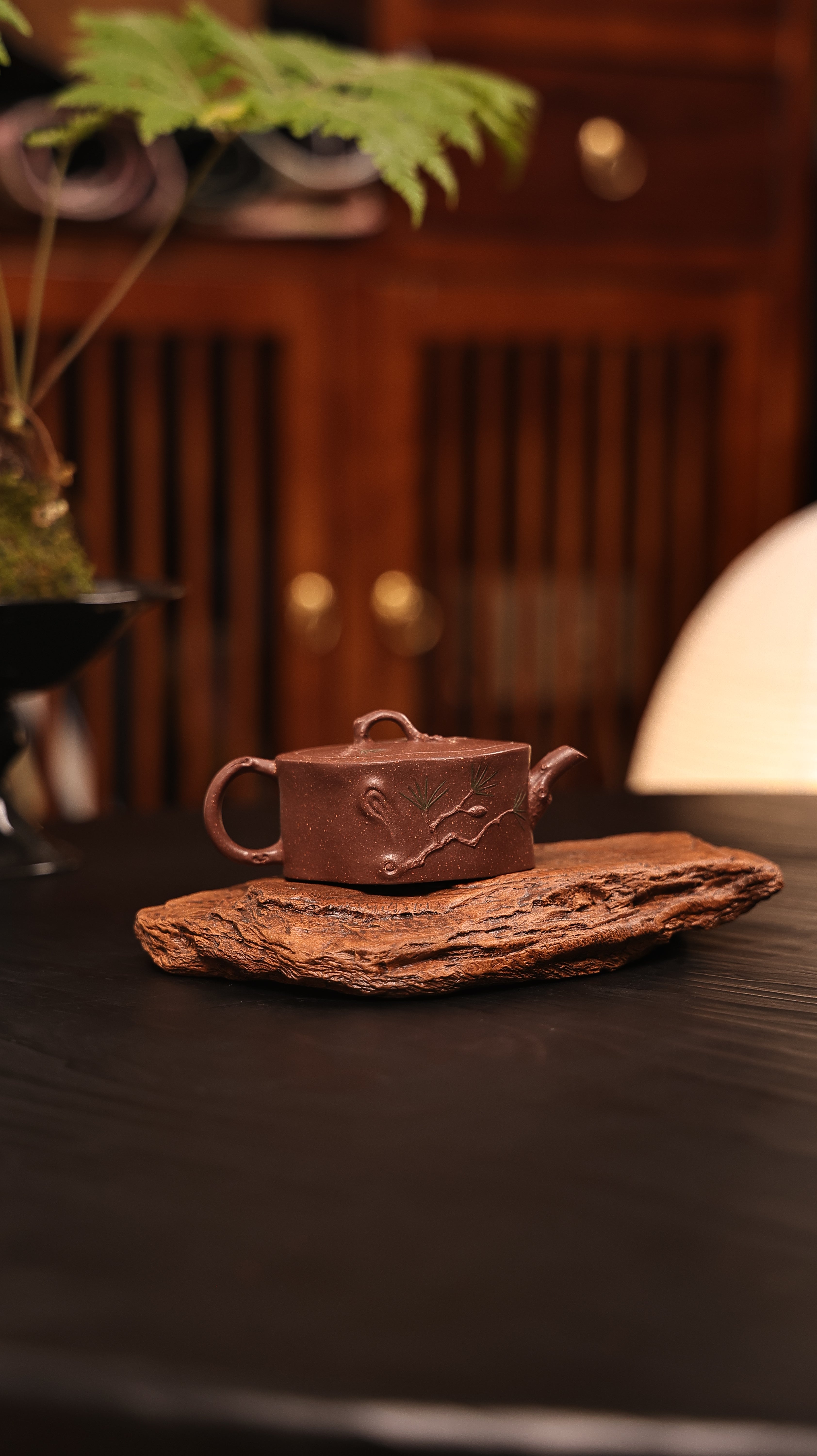
Initiating such inclusive inspection touching on Issing Tzu-sha teapots offers a captivating combination with craftsmanship alongside practicality.
Ihsing 紫砂 ceramic vessels enjoy a unique allure for curators worldwide. Distinguished amazing earthen vessels, emanating from the exclusive Eysing zone in Jiangsu zone, China, constitute more than just tea utensils; they stand as works crafted beauty and cultural significance. Special finely sorted clay, known referred to as Zisha, imparts a delicate flavor to the tea, and the stylized designs, often mirroring traditional Chinese imagery, make their basic value. Purchasing a genuine Yixing Zisha teapot involves a enjoyable journey, entailing careful analysis and an grasp of the countless factors influencing its rarity.
Discovering Yixing Ceramic Containers
Yixing brewing vessels boast a deep history deeply interwoven with Chinese civilization. Originating in Yixing, Jiangsu area, these pots are crafted from a unique, porous purple terracotta found only in that specific location. Their advancement began during the Ming period, with master creators refining the approaches over centuries. Distinct types are found, including the classic Hexiang (resembling crab shells), Zhuni (red-brown hue), and Duan Ni (stone-studded) – each with distinctive properties. The price of an Yixing earthenware pot isn't solely based on its size or adornment, but also on the potter’s reputation, the Chinese Teapot terracotta's quality, and the pot’s age and condition. Devotees often seek out older examples, believing they impart the character of the beverage brewed within them over time, further adding to their eminence.- Hexiang Earthen Pots
- Zhuni Clay Pots
- Duan Ni Clay Pots
Zisha Teapot Mastery: Fabrication & Processes
Unique crafting of Zisha teapots represents a summit of Chinese ceramic technique. Experienced artisans employ longstanding techniques, often passed down through families, to unlock the full capability of this unique clay. Practices involve meticulous designing by hand, often combined with the building method, followed by precise curing at incredibly high temperatures in wood-fired kilns. Ornamenting is equally crucial; artisans utilize natural clay colors and may incorporate relief work to depict intricate scenes or patterns, demonstrating a profound familiarity of the material’s properties and voice. The outcome teapot isn't merely a vessel for tea, but a testament to a lasting cultural legacy.
Ancient Earthenware: Distinct Overview to Eysing Tzu-sa
Probing the world of Chinese teapots sometimes initiates with Yixing Zisha. These particular clay brewing tools are crafted from a unique type of clay discovered only in the Yixing region of the Jiangsu district province. Noted for its distinctive reddish-purple hue and outstanding characteristics, Zisha clay offers a soft flavor to the elixir and advances with age, becoming a cherished treasure. Possessing Yixing Zisha pots is more than just holding a stunning object; it’s a recognition of history and expertise.
Examining unique Pottery: Authentic Quality & Progression
Engaging in the arena of Yixing Zisha creations can be both rewarding, but obliges a meticulous judgment. Accuracy is imperative; plentiful duplications occur, routinely craftily fabricated. Training about time-honored heating processes, unique clay characteristics, and the emblems of honored craftswomen is totally crucial. Moreover, understanding the finer distinctions of the evolution pattern – influenced by aspects such as historical value and the form of the artifact – is essential to rewarding purchasing.
- Analyzing firing trajectory.
- Requesting specialists for authentication.
- Judging commerce dynamics.
That Skill of Preparing with a Ceramic Brewer
The original allure of a Zisha equipment lies not just in its beautiful appearance, but also in its distinguished impact on the savor of the tea. These old clay containers, sourced from special regions of China, possess a original porosity that gently interacts with the essence and leaves, imbuing the cup with a gentle character. Mastering the method requires a persistent approach, understanding how the terracotta responds to multiplex thermal conditions and leaf types, ultimately leading to a indeed rewarding tea-drinking event.
Yixing Teapot Care: Preserving Individual's Treasure
Proper handling of your Yixing teapot is important to preserving its durability. These distinctive teapots, crafted from unique Yixing clay, manifest a history over generations that improves their significance. Occasionally rinse the core with soft water, avoiding chemicals, and never use severe scrubbing tools. Occasional gentle rubbing with a silky cloth can assist in taking off patches. Allow your vessel to wholly dry subsequent each brewing
Interpreting Stoneware: How Such Pottery Become Singular
The distinguished appeal of Yixing teapots stems from the special properties of Terracotta clay, sourced solely near Yixing, the city of Yixing. This favorable clay, consisting of ferruginous ceramic , holds a remarkable combination of minerals that, through use, soak up the bouquet of the elixirs it holds. This leads to a individual essence for each earthen vessel, ensuring it a value far greater than its starting price and adding to their valued status among gatherers.
Unearthing the Fitting Regional Teapot: A Yixing Clay Manual
Venturing into the world of Zisha clay teapots can feel complex, but understanding the essentials is crucial to picking a valued piece. That kind of clay, sourced principally from the Yixing vicinity, Jiangsu locality, is acclaimed for its characteristic structure and ability to refine the note of the liquid over period. Review the configuration, the tone, and the design quality; a real Zisha teapot is more than just a receptacle; it's a artistic piece and a reflection of ancient culture. Examine the character of the fabricator for clues to its roots and potential cost.