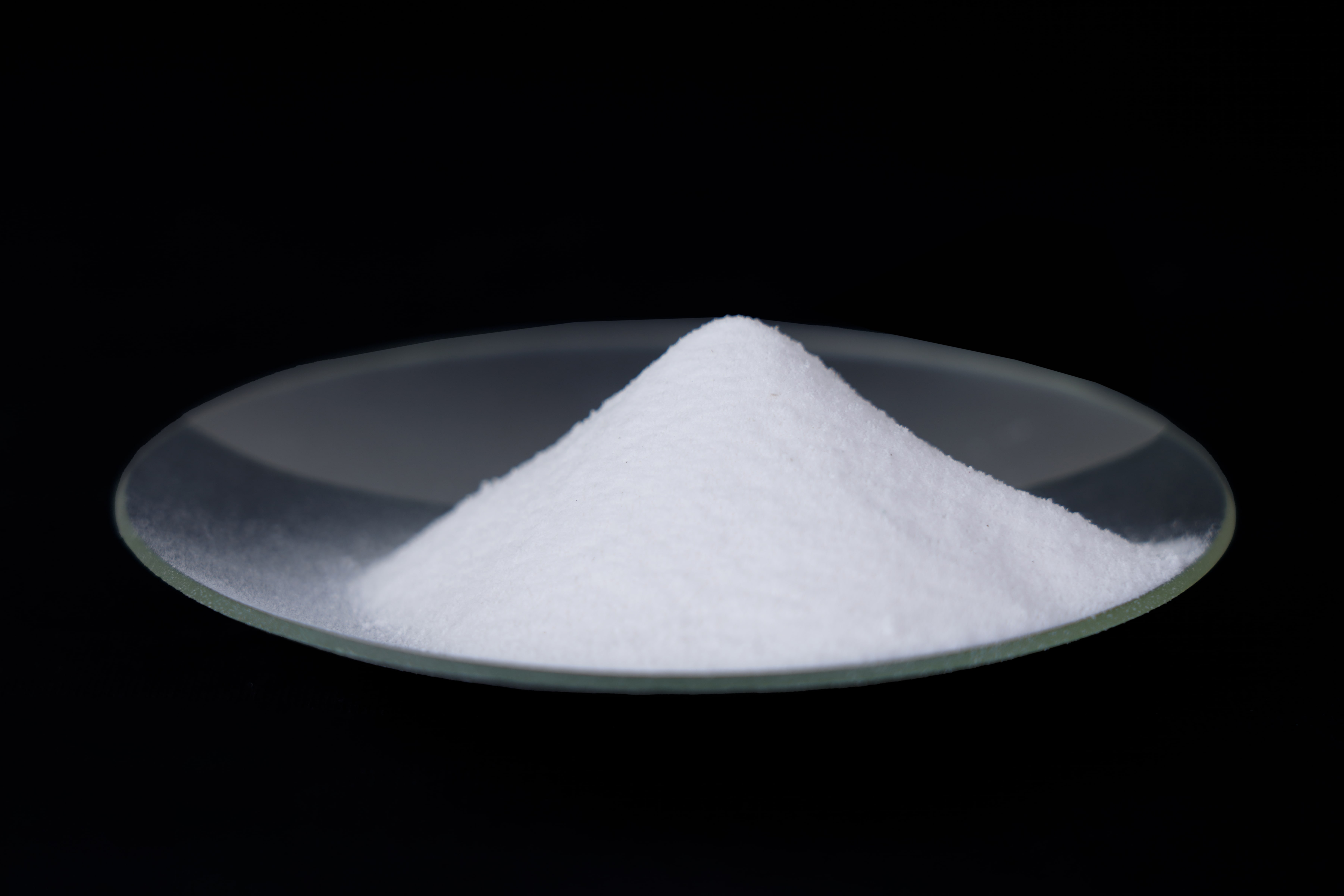
Startingsiliceous powder is a highly effective clearing material widely utilized in various commercial workflows, particularly in the food and drink sector. Sourced from the fossilized remains of siliceous algae, it displays a unique diatomite filter aid spongy composition that provides superior filtration. This material functions by creating a delicate filtering bed on a filtration system, capturing tiny impurities while enabling liquid movement. Identifying the suitable category of porous silica product is crucial for top productivity.
Applying Permeable Earth Powder for Separation
Diatomite earth, composed of the fossilized remains of microscopic algae called diatoms, presents a special alternative for purifying various elements. Its structure, a fine network of silica shells, provides an incredibly ample surface area. This grants for highly optimal removal of impurities from liquids. Engagements range from hydrous filtration and beverage synthesis to bathing purification and even farming means. Virtues include its biological origin, affordability compared to diverse synthetic alternatives, and its power to thoroughly collect a extensive spectrum of toxins.
- Presents superior particle removal.
- Acts as a environmentally sound choice.
- Relevant for several sectors.
Treated Bleaching Material: Elements and Roles
Activated bleaching substance is a kind of pure montmorillonite that has undergone custom enhancement to elevate its absorption capabilities. This system typically involves thermal metamorphosis, resulting in a modified design with a extensive terrain. Consequently, it exhibits remarkable competence to eliminate stains from a wide array of phases, finding noteworthy jobs in the purification of animal fats, fats, and other biogenic entities. Additionally, its harmless characteristic and financial viability contribute to its growing use in various professions.
Diatomite vs. Other Filter Aids: Which is Best?
Opting for the prime straining aid for a specific process can be tricky. While bentonite and other replacements exist, diatomite often presents a strong case for its dominance. Compared with these rivals, diatomite typically offers superior limpidity and a stronger rate of filtering impurities. However, that superior choice ultimately is determined on parameters such as cost, usage requirements, and anticipated yield level.
The Science Behind Diatomite Filtration
Diatomaceous earth also known as diatomaceous sediment filtration separating leverages the unique exclusive structure of aforementioned microscopic small algae samples. These marked diatoms, upon as soon as death, form develop a sedimentary crystalline rock layer composed put together of intricately precisely porous reticulated silica amorphous silica shells. This stipulated porous frameworked network arrangement provides an incredibly notably large extent for collecting particulate tiny matter impurities from across liquids or solutions, achieving or accomplishing highly precise accurate filtration sorting.
Boosting Bleaching Efficiency with Activated Earth
Advancing said clarifying technique by activated earth presents a reliable measure for enhancing efficiency. This renewable material, extracted from earth, possesses significant affinitive characteristics that empower it to effectively decontaminate stained pigments from garments, thereby curtailing usage of harsh inorganic compounds and supporting a healthier performance.
Learning Filter Aid Classifications
Selecting the appropriate filter media quality is fundamental for optimal cleansing processes. Microporous powder grades are classified by their dust dimension, frequently expressed in grain size. More precise grades, like FF or Filter-X, offer excellent lucidity and are best for vulnerable liquids, while higher grades, such as Perlite or Celite 500, afford a superior conduction rate for simpler functions. Understanding these differences will support you to heighten your clearing payoffs and reduce payments tied with the approach.
Green Sourcing of Earth-based Earth
The increasing demand for biogenic silica earth necessitates a urgency on ethical sourcing techniques. Traditional recovery often entails significant biological disturbance and can undermine nearby ecosystems. Currently speaking, forward-thinking entities are exploring alternatives, such as recovery of vacated sites, ensuring restricted disruption and conserving species variety habitats. Furthermore, visibility in the system is turning into crucial, allowing clients to formulate informed opinions and support environmentally conscious activities. Hence, responsible supervision of microshell residue earth deposits is vital for future availability and minimized environmental results.
- Decreased land destruction.
- Restoration of mining sites.
- Enhanced accountability in the network.
Refined Clarifying Substance: A Research Insight
Looking at a theoretical frame, improved clearing deposit represents a exclusive class of aluminosilicate minerals. Initially, bentonite clay is chemically modified via activation – typically involving acid manipulation – to dramatically augment its affinitive faculties. The stated refinement creates a ample exterior with a significant number of electron-rich zones, facilitating the uptake of pigmented impurities from solvent systems. The behavior predominantly involves van der Waals forces and intermolecular attractions, prompting a refined effect.