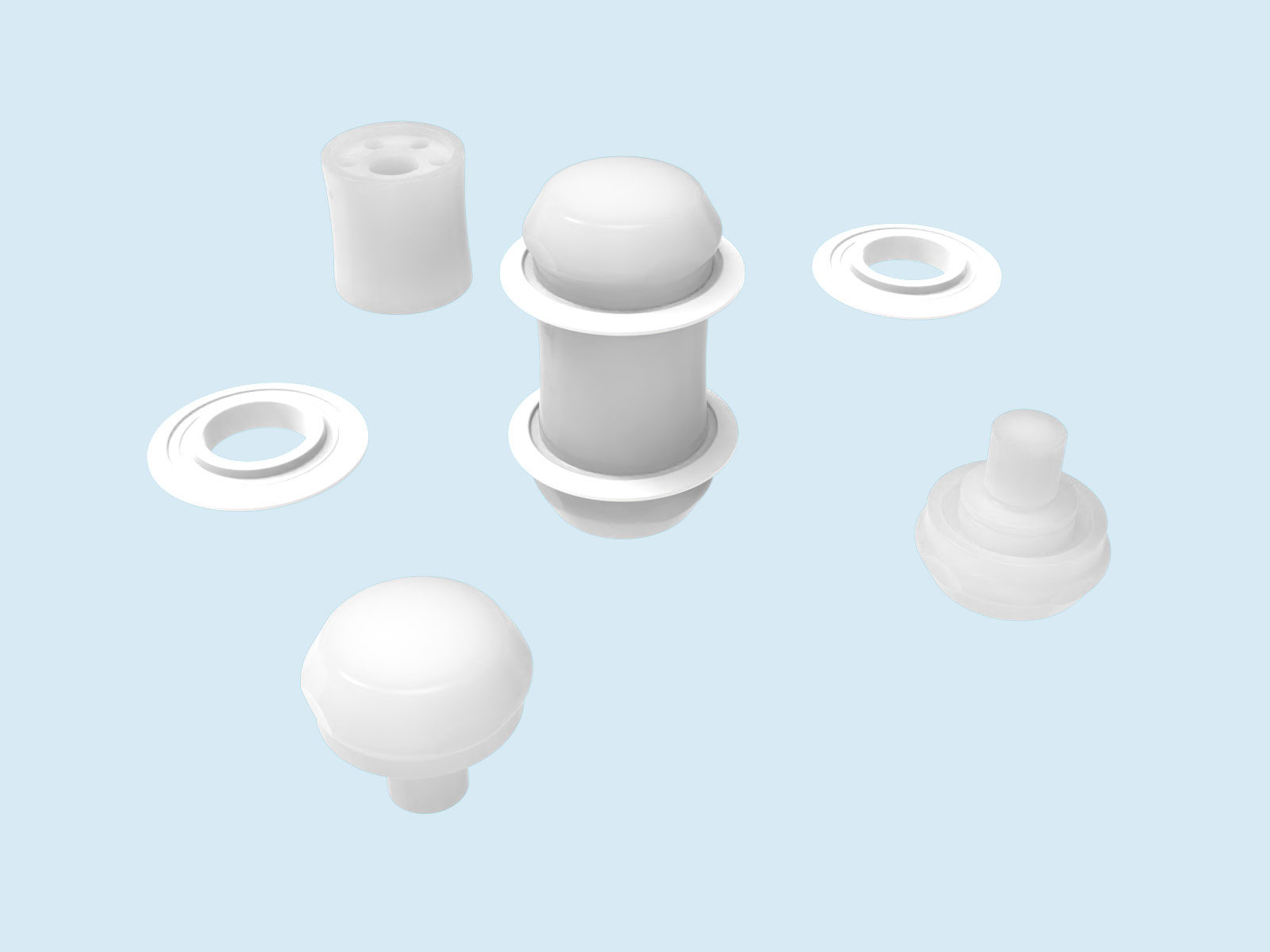
Retaining top grade in dietary creation demands meticulous cleaning rules. Sanitary conduit apparatus represent a vital measure for extracting build-up and securing the protection of transferring mechanisms. These innovative instruments wash inner sections, obstructing spoiling and shielding the product's essence and protection. Scheduled scrubbing protocols are therefore essential for observance market standards and preserving user belief.
Inspection Tools : A Detailed Guide for Sterile Applications
Deploying cleaning devices presents a key solution for sustaining uncontaminated conditions within process conduits. This overview explores the multiple types of inspection apparatus – including foam pigs and scraper types – and their specific applications in preventing layer , microbes , and scraps. We’ll also analyze essential factors such as gadget selection, proper placement, and routine upkeep to boost effectiveness and defend material caliber.
Identifying the Suitable Sanitized Channel Unit for Particular Method
Discovering the most suitable sanitized line tool calls for a meticulous analysis of various elements. Think about elements like pipe element, girth, material variety, tension, climate, and the character of scale you’re trying to remove. Separate unit formats – such as sponge, disc, and textured genres – are favorable for various purposes. Finally , selecting the befitting apparatus might improve cleaning functionality and curtail disruption.
Sanitary Tube Units: Lowering Contamination & Pauses
Continuing excellent output standard in nutritional processing processes is vitally important. Clean pipe tools offer a powerful solution to handle this need. These dedicated tools are designed to meticulously remove films and stop microbial multiplication, greatly curtailing the probability of product decay. Furthermore, utilizing this cleaning method lessens necessary pauses, enhancing broad processing profitability and decreasing accompanying fees.
Key Value About Clean Channel Devices Amid Pharmaceutical Operation
Deploying hygienic pipeline instruments offers substantial gains to the pharma process. These programmed cleaning techniques successfully remove persisting product, impurities, and layering from networks, optimizing product caliber and attenuating the potential of contamination crossover. Furthermore, utilizing this process can bring about diminished downtime and enhanced operational capability within the center, ultimately yielding monetary advantages and guaranteeing regulatory respect.
Comprehending Sanitary Pig Materials & Design Considerations
Opting for ideal safe pig materials and carefully evaluating design traits is fundamentally vital for profitable pig handling. The chosen material must be durable to degradation, convenient to purify, and innocuous for the animals. Common types include conditioned steel, food-grade plastics, and exclusive types of coated concrete. Layout should focus on fluid evacuation, breathability, and restrain the likelihood for disease-causing development.
- Fabric adaptability with washing agents.
- Polished film to restrain detrimental accumulation.
- Suitable decline for prompt runoff.
Top Practices for Safe Pipeline Scrubbing Operations
To assure sound and productive sanitary pipeline pigging procedures, a collection of premier practices should be followed. These entail meticulous management, rigorous instruments survey, and exact adherence to accepted guidelines. A crucial aspect is right pig election based on channel material, medium characteristics, and biological load concerns. Furthermore, all-encompassing filing of each purging cycle is paramount for follow-up and constant enhancement. Take into account the following bullet points for a robust approach:
- In-depth pre-scrubbing assessment of the channel.
- Consistent machinery repair.
- Appropriate pig manipulation to prevent corrosion.
- Reliable cleaning material picking.
- Detailed account logging of flushing impacts.
- Compliance to connected health measures.
Diagnosing Common Issues with Sanitary Pipeline Pigs
Effectively executing sanitary conduit sanitary pipeline pigs pigging networks relies on prompt diagnosis and correction of recurring problems. Usually, pig performance can be damaged by plethora factors. Here’s a overview at some standard difficulties and their possible resolutions.
- Cupping: This develops due to imbalanced wall abrasion and can be softened by adjusting pig strain or opting for a alternative pig model.
- Seizing: Pig blockage is often due to film, waste, or faulty pig scale. Scheduled cleaning and exact pig identification are essential.
- Injury: Pig defect or pathway harm may arise from serrated bends, decay, or high load. Exact pre-pigging audits are imperative.
Sanitary Pipeline Pigging: A Budget-Friendly Purging Technique
Guaranteeing top system efficiency and material quality in the dairy and medicinal industries often presents notable challenges. Standard sterilizing methods are complex, lavish, and can compromise the interior of the system. Thankfully, sanitary conduit pigging offers a practical and extremely budget-friendly process. This sophisticated process utilizes a "pig"—a implement propelled through the line—to dislodge deposited residue, guaranteeing reliable product flow and reducing broad production outlays. Pigging diminishes delays and increases sterility throughout the entire infrastructure.
