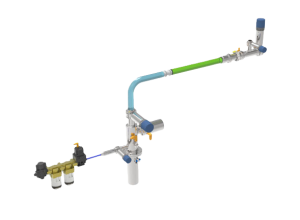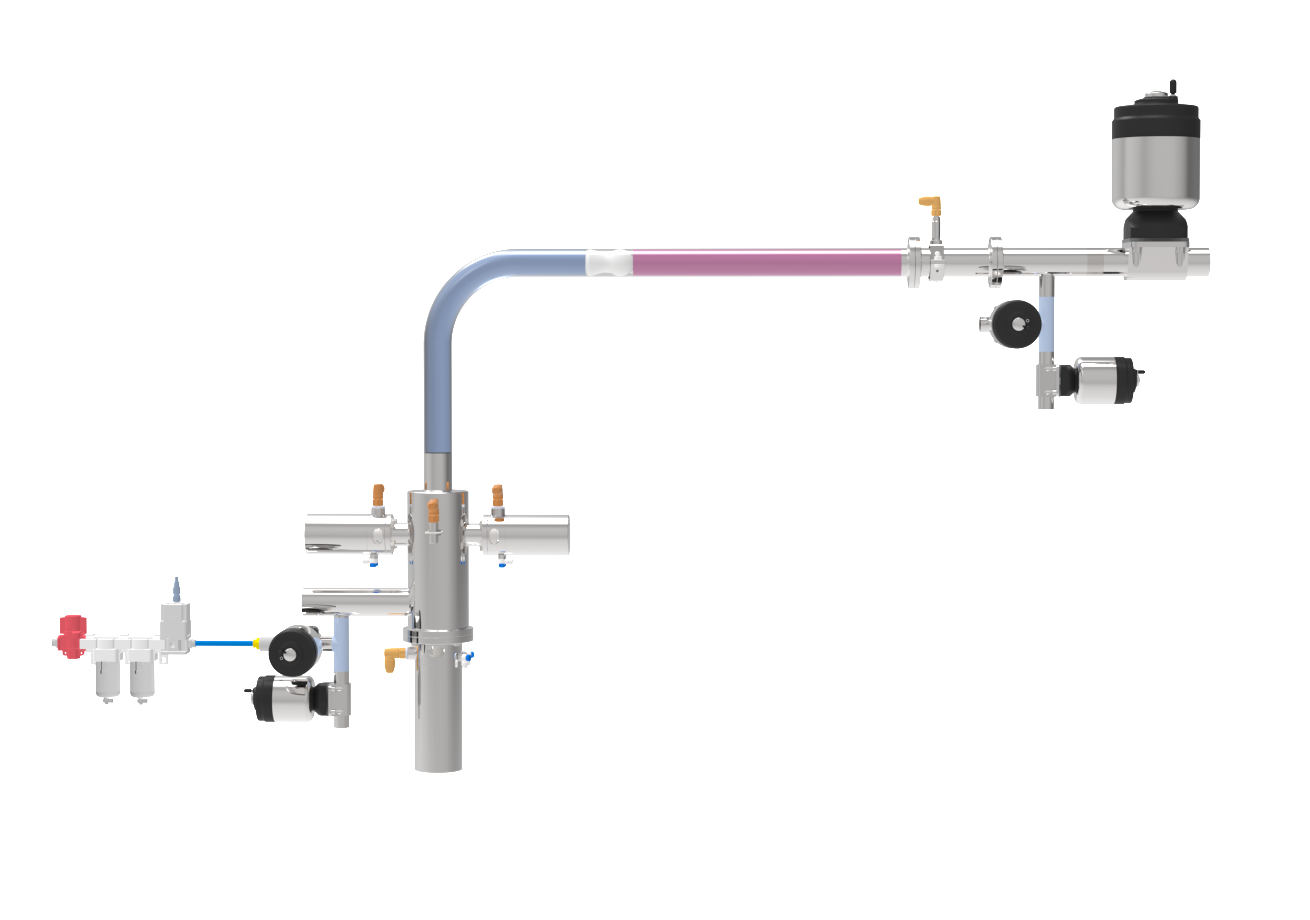
Rapidly expanding typical clothes washing sector, pipeline pigs furnish a remarkable boon in handling washing powder. This advanced process minimizes discard of intense compound by utilizing a plug to push it through the channel – effectively emptying the receptacle. Grasping the essentials of these frameworks can bring economic gains and a heightened renewable process.
Pigging Systems Revolutionize Laundry Detergent Handling
The established method of relocating clothes-washing detergent presents marked challenges, often leading to excess and underperformance. However, a cutting-edge approach – pigging systems – is substantially transforming how businesses handle these significant materials. These systems utilize a supple "pig," a dense apparatus, to drive the detergent through a conduit, effectively eliminating empty spaces and ensuring nearly utter product extraction. Benefits include pigging system for laundry detergent lower excess, boosted effectiveness, and a smaller environmental repercussion.
- Lessens detergent discard
- Improves performance output
- Supports conscientious practices
Improving Soap Flow by Pipeline Pigging
Improving efficiency in textile washing facilities often involves addressing problems related to detergent deployment. Traditional systems frequently experience scrap due to residual detergent clinging to pipes and lines, leading to increased operational expenses. Pigging mechanisms, originally utilized in the pipeline industry, provides a compelling strategy to this challenge. By sending a “pig”—a specialized device—through the detergent channels, these systems effectively eliminate remaining product, maximizing gain and minimizing excessive material. This ultimately results in a more nature-friendly and affordable laundry system for firms.
Gains of Pipeline Pigging for Laundry Detergent Assembly
Implementing pigging offers notable improvements for cleaning product development facilities. These systems efficiently displace product films from pipes, minimizing leftovers and decreasing breaks during cleaning. Consequently, aggregate operation is enhanced, yielding shrunk expenses and a responsible function. Furthermore, pigging systems facilitates to defending product quality by preventing intermingling between segments and ensuring a spotless final formulation.
Diminishing Leftovers and Optimizing Process: Detergent Pigging
Laundry cleaning agent manufacturing can yield significant loss material, but a progressive process called “pigging” offers a solution to lessen this difficulty. This procedure involves using a elastic tool, the "pig," to move remaining product from the manufacturing lines, often deemed as waste. By salvaging this previously thrown away fabric cleaner, companies can substantially cut expenses and boost overall business performance. The environmental profits are also noteworthy, as it shrinks the measure of residue sent to garbage dumps.
- Shrinks Material Budgets
- Strengthens Commercial Functionality
- Cuts Environmental Influence
Deploying Pipeline Pigging in Your Washing Product Operation
To optimize production and shrink downtime in your laundry laundry liquid formulation location, contemplate integrating a slugging system. This cutting-edge method thoroughly removes lingering material and film from tubes, as a result increasing efficiency and cutting excess. A well-designed displacement process can also extend the continued use of your lines structure, contributing to significant economic decreases and a more green business.
Eco-Friendly Approaches in Fabric Soap Pigging
The practice of laundry washing solution recovering presents a promising strategy towards a improved environmentally responsible future. Typically, leftover wash product remains in containers become junk material, leading to sustainability pressure. However, this clever procedure involves assembling these lingering totals and transforming them into practical goods, especially organic feed or industrial constituents.
- Reduces dump amount
- Minimizes reserve exhaustion
- Offers a eco-centric financial framework
Engineering Pigging Tools for Detergent Products
The planning of a purging structure for laundry washing agent employments presents specialized obstacles. Exact evaluation must be given to the texture of the material, which can change considerably depending on makeup and ambient condition. Moreover, the grittiness of certain particles necessitates the choice of hardy cleaner medium and suitable line manufacturing. Capable cleaning calls for a specific intensity profile to ensure full extraction of surplus solution and prevent blockages or injury to the channel organization.
Troubleshooting & Maintenance of Laundry Detergent Pigging Systems
Regular preventative repair and swift fault detection are fundamental for increasing the capability of laundry laundry compound pigging systems. Frequent issues involve blockages within the line, detergent buildup affecting flow, and sensor failures. Periodic inspections, involving mechanical examinations of hoses, junctions, and the pig itself, are imperative. Correcting these problems promptly – often through purging the system or exchanging worn parts – can reduce costly interruptions and extend the lifespan of the entire assembly.