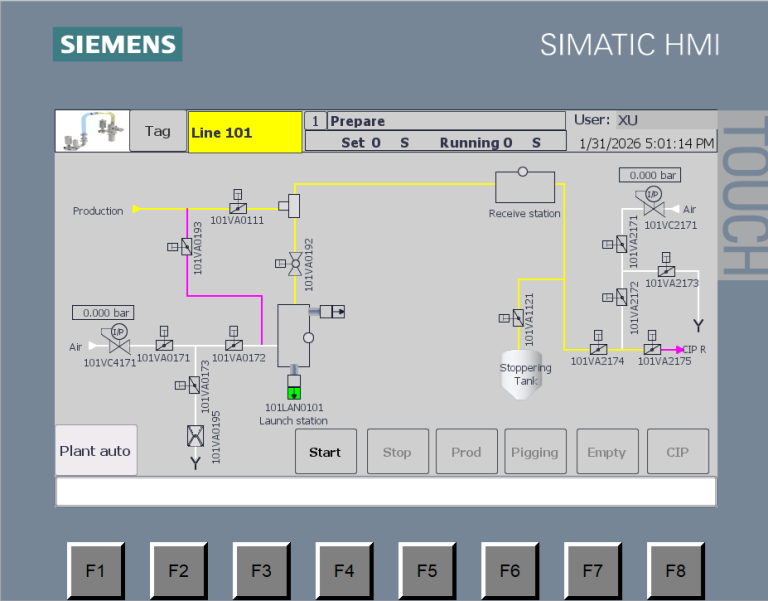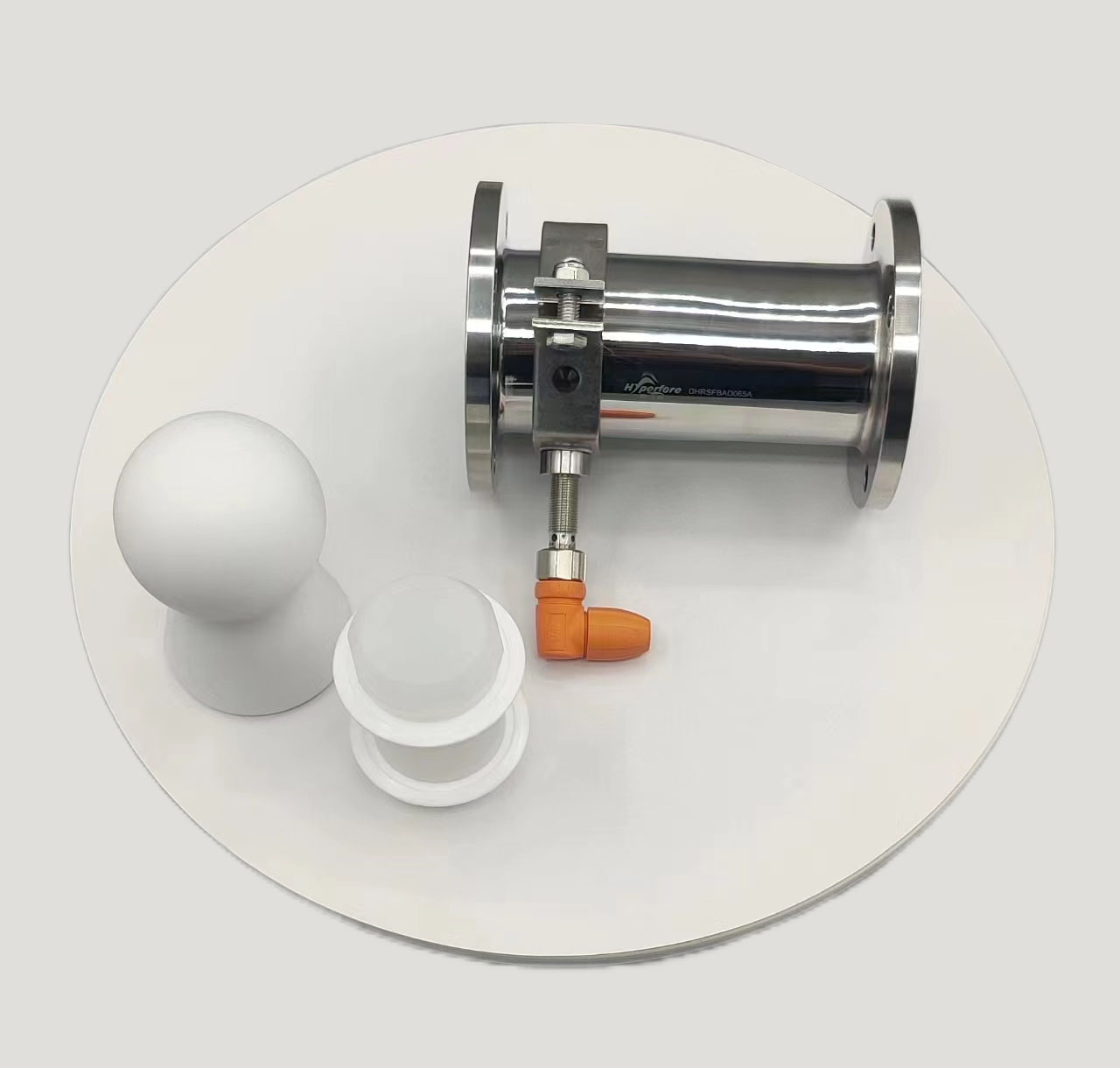
Starting
Motorized pipeline swabbing methods deliver a significant perk over physical techniques for upholding the wholeness of conduits. These high-tech processes streamline the activity of driving a "pig" – a exclusive device – through the pipe network to clear deposits like corrosion products, wear, and barriers. By cutting down downtime and improving running efficiency, automatic pigging methods represent a crucial funding for industries relying on duct transportation of materials.
Spotless Swabbing : Affirming Pipeline Sterility in Food & Beverage Field
Retaining impeccable freshness within nourishment manufacturing facilities is paramount, particularly when it comes to channels used for transporting concoctions. Hygienic swabbing offers a potent solution. This specialized technique involves inserting a tool – often a elastic device – into the pipework to dislodge scum, including microorganisms, and improve holistic freshness. Benefits include minimized likelihood of degradation, improved food grade, and expanded operational performance. Factors for application include instrument manufacture compatibility with the beverage and line makeup.
- Cuts contamination chance.
- Optimizes commodity excellence.
- Strengthens operational output.
Flow Techniques: Increasing Productivity and Cutting Excess
Pigging systems offer a significant benefit in pipe procedure for various industries, particularly within the oil and processing sectors. By propelling a “pig,” a engineered implement, through the network, sediment are extracted, increasing volume and limiting product spillage. This produces a minimized outlay and a more eco-friendly strategy to equipment control.
An Future Concerning Pipelines: Examining Intelligent Pigging Systems
The advancement about pipeline oversight is markedly being changed by computerized pigging methods. Traditionally, pigging operations have relied on operator-controlled intervention, but the progress pertaining to autonomous pigs promises superior efficiency, decreased downtime, and better safety. These innovative systems capitalize on scanners, statistics, and programmed intelligence to navigate pipelines self-governed, recognizing erosion and executing scouring tasks with notable precision. Preparing for widespread embracement, automatic pigging represents a important step leading to a more resilient pipeline array globally.
Hygienic Swabbing vs. Non-automated Purging
Ensuring pipework condition within the dairy industry presents a considered challenge. Historically, non-automated scrubbing has been the prevalent method, relying on operators to physically extract debris and buildup. However, this approach is effortful, vulnerable to inconsistencies, and can be difficult to fully validate. Sanitized swabbing, on the other hand, offers a new alternative. This system utilizes a equipment propelled through the line to clean deposits, providing a improved and consistent purging process. Key distinctions include:
- Spending: Handheld disinfecting often involves substantial labor outlays, while pigging has opening investment scaled-down overall fees.
- Capacity: Cleaning habitually offers superior performance compared to manual techniques.
- Demonstration: Ensuring the accuracy of cleaning is more feasible with rinsing due to data logging capabilities.
- Security: Operator-based scrubbing can expose laborers to uncertain conditions, whereas swabbing decreases this danger.
Executing an Automated Pigging Method: Standard Protocols
Efficiently executing an electromechanical pigging system requires thorough arrangement and adherence to established best standards. To begin, carry out a in-depth examination of your pipeline to ascertain the relevant difficulties requiring scrubbing. This consists of assessing the type of scale, the area of clogs, and the aggregate quality of the system. Subsequently, go with a pigging system suited for your specific operational demands.
In addition, give attention to detailed guidance for technicians employed in the execution method. This is expected to include briefing on hazard-free control of the instruments and apprehension of backup systems.
- Habitually scrutinize the unit and corresponding subsidiaries for defects.
- Develop a solid preservation regimen.
- Log all line clearance operations and related data.
- Check the bearing on channel rate and substance grade.
To conclude, ongoing assessment and enhancement of the operation plan are necessary for boosting effectiveness and lengthening the pipeline system’s functional duration.
Correcting Ordinary Complications in Hygienic Maintenance Frameworks
Efficient function of sanitary pigging tools often calls for regular examining. Usually, clogs caused by clogging are noticed, which may be cured through meticulous inspection using appropriate gear. In addition, pressure drops show faulty pigging cups or within erosion. Consistent servicing, including mechanism extraction and visual evaluation of pipeline quality, is critical to limit interruptions and support peak performance.
Robotic Scrubbing Systems for Functional Pipelines
Motorized clearing offers substantial gains for business lines, significantly amplifying operational performance. Such mechanism provides a range of pluses, including reduced downtime, minimized servicing spending, and improved material grade.
- Curtailed pressure decline leading to electrical reductions.
- Enhanced duct wholeness, mitigating wear.
- Improved yield by clearing deposits.
- Improved risk mitigation for personnel and the habitat.
Cost with Hygienic and Electromechanical Scrubbing Applications
Implementing sanitary and robotic purging methods offers substantial monetary gains for tube operators. These innovative technologies minimize material loss due to leftover layers, significantly cutting excess. Beyond material recovery, swabbing solutions lessen the frequency of regular pipe shutdowns for upkeep, translating to enhanced operational automatic pigging system efficiency. Furthermore, the minimized need for staff involvement and reagent deployment further contributes to the overall financial performance of your process.
- Minimized Substance Loss
- Greater Process Throughput
- Diminished Operator Involvement Spending