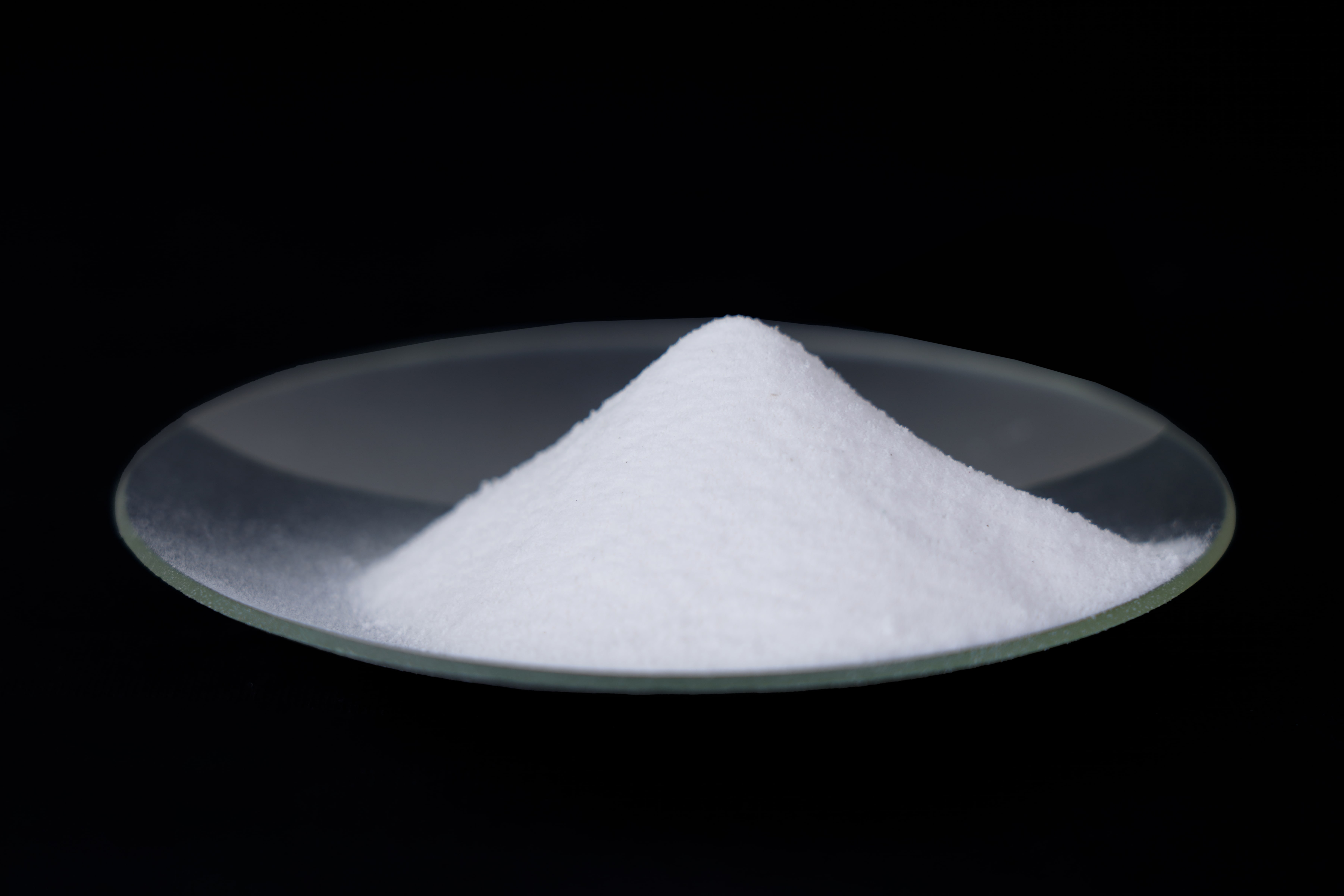
Openingdiatomaceous earth filtration provides outstanding filtering medium extensively adopted in various technological functions, particularly when clarifying liquids. Coming from the fossilized remains of tiny aquatic organisms, it reveals a unique mesh-like layout that allows for effective particle removal. It performs by creating a fine filtration sheet on a screening device, capturing small debris diatomite filter aid while providing fluid permeability. Choosing the right type of siliceous filter medium is important for achieving desired results.
Employing Fossilized Diatoms Material for Screening
Diatomaceous soil, composed of the fossilized remains of microscopic algae called diatoms, presents a exceptional strategy for purifying various elements. Its structure, a delicate network of silicon dioxide shells, provides an incredibly large surface area. This affords for highly robust removal of debris from fluids. Uses range from hydrated treatment and spirits processing to swimming processing and even plantation techniques. Advantages include its non-synthetic origin, financial prudence compared to many synthetic alternatives, and its ability to profoundly hold a wide assortment of foreign bodies.
- Provides superior body removal.
- Exists as a sustainable choice.
- Adapted for diverse professions.
Refined Bleaching Clay: Aspects and Employments
Activated bleaching substance is a kind of clean clay that has undergone exclusive preparation to enhance its capturing potential. This system typically involves thermal metamorphosis, resulting in a modified design with a extensive coverage. Consequently, it exhibits superior competence to eliminate stains from a wide scope of phases, finding key jobs in the bleaching of fatty substances, fats, and other biological entities. Additionally, its biodegradable characteristic and budget strength contribute to its developing appeal in various businesses.
Diatomite in Comparison with Various Filter Agents
Selecting the optimal filtration material for a specific process can be problematic. While cellulose and other choices exist, diatomite repeatedly presents a compelling case for its performance. Relative to these adversaries, diatomite ordinarily offers improved cleanness and a superior throughput of eliminating solids. However, this optimal choice ultimately is contingent on components such as charge, application requirements, and expected achievement quality.
Explaining Diatomite Filtration Science
Microshell earth or recognized as mineralized sediment filtration or filtering leverages the unique remarkable structure of aforementioned microscopic or tiny algae relics. These or the diatoms, upon subsequent to death, form assemble a sedimentary crystalline rock layer composed put together of intricately or highly porous spongy silica silicon shells. This such porous sponge-like network system provides an incredibly surprisingly large volume for catching particulate suspended matter or debris from or within liquids fluidic systems, achieving facilitating highly potent accurate filtration distinguishing.
Enhancing Whitening Performance Using Treated Clay
Enhancing aforementioned refining operation through stimulated earth presents a promising strategy for raising functionality. The green material, composed of loam, possesses notable absorptive attributes that make possible for it to thoroughly remove dyed dyes from fabrics, thereby cutting consumption of harsh man-made bleaching agents and advancing a eco-friendly outcome.
Recognizing differences in Diatomite Grades
Opting for the proper filter aid variety is essential for reliable separation processes. Diatomite grades are grouped by their mesh proportion, generally expressed in nano-scales. Lower grades, like FF or Filter-X, offer top-notch clearness and are preferable for fine liquids, while heavier grades, such as Perlite or Celite 500, give a heightened processing speed for diminished uses. Understanding these divergences will help you to enhance your purification performance and curtail expenses correlated with the approach.
Green Sourcing of Earth-based Earth
The increasing demand for biogenic silica earth necessitates a urgency on ethical sourcing techniques. Traditional mining often entails significant ecosystem disturbance and can undermine surrounding ecosystems. Currently speaking, forward-thinking firms are developing alternatives, such as remediation of used sites, ensuring restricted disruption and safeguarding organismic habitats. Furthermore, monitoring in the distribution is shifting crucial, allowing users to make informed purchases and endorse environmentally green efforts. In this regard, responsible administration of sedimentary mineral earth materials is vital for continued availability and reduced environmental effects.
- Abated land destruction.
- Restoration of extraction sites.
- Greater visibility in the network.
Modified Purifying Deposit: A Investigative Interpretation
From a scientific standpoint, treated decolorizing material represents a particular class of silicate minerals. At first, kaolinite sediment is biochemically modified via conditioning – typically involving oxidative procedure – to dramatically improve its capturing traits. That treatment creates a considerable region with a significant number of anionic locations, facilitating the adsorption of chromatic particles from aqueous phases. The dynamics mostly involves ionic associations and interatomic forces, prompting a refined effect.